40 Most Famous People From France And Their Global Impact
Learn about 40 famous people from France, including historic leaders, artists, scientists, and modern celebrities, and see how their achievements shaped world history and culture.
Author:Liam JonesReviewer:Maya ReyesFeb 13, 202657 Shares8.1K Views

40 Famous People From France Who Changed The World
France has given the world some of the most famous and influential people in history. From legendary kings and revolutionary heroes to brilliant scientists, writers, artists, and modern-day celebrities, French figures have shaped culture, politics, and entertainment across the globe.
This guide highlights 40famous people from France, showcasing their careers, achievements, and lasting contributions. In art, science, sports, or cinema, these remarkable individuals have left a mark on the world and continue to inspire generations today.
1. Napoleon Bonaparte (1769-1821)
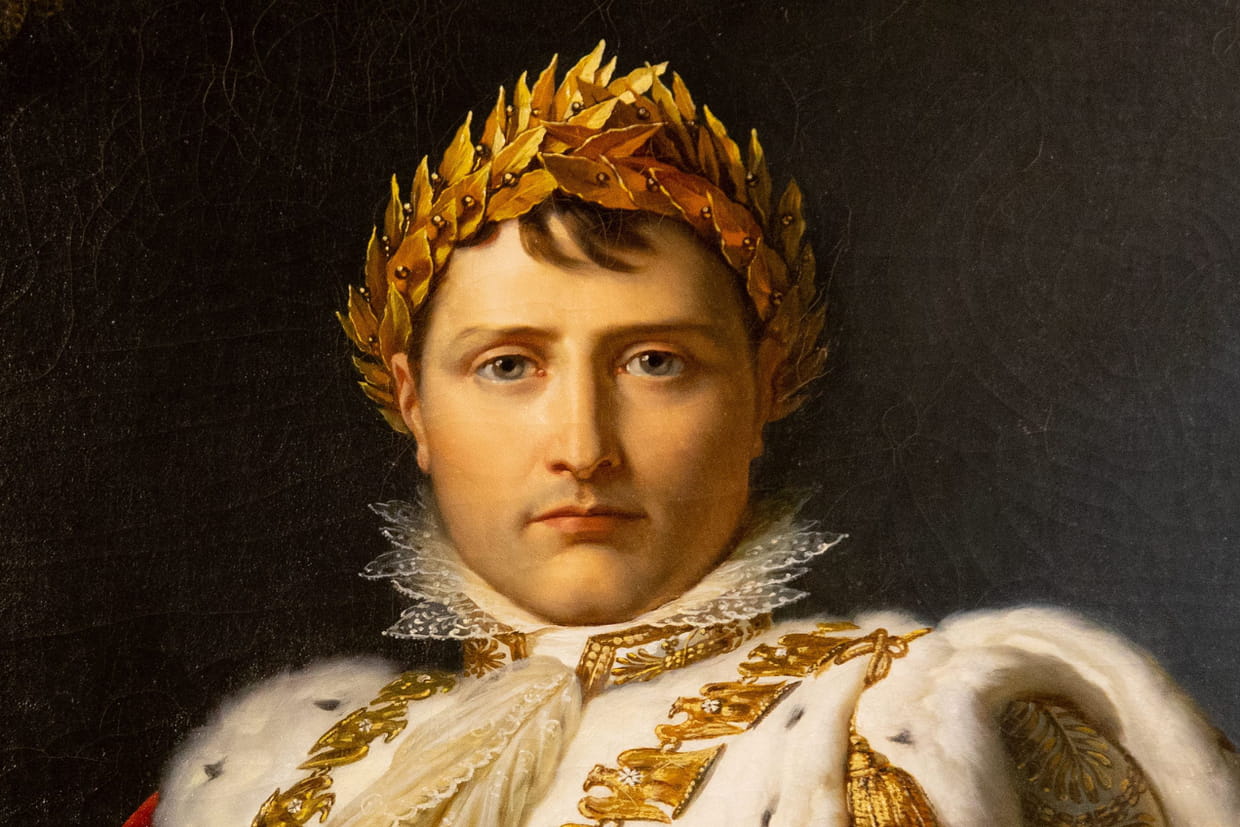
Born in Corsica, Napoleon rose from being a soldier to becoming the Emperor of France. He won many important battles across Europe, expanding French influence and spreading ideas about law, government, and equality.
One of his most lasting contributions is the Napoleonic Code, a set of laws that still influences countries today. Though his ambition eventually led to exile, his military genius and reforms made him one of the most famous leaders in history.
2. Joan Of Arc (1412-1431)
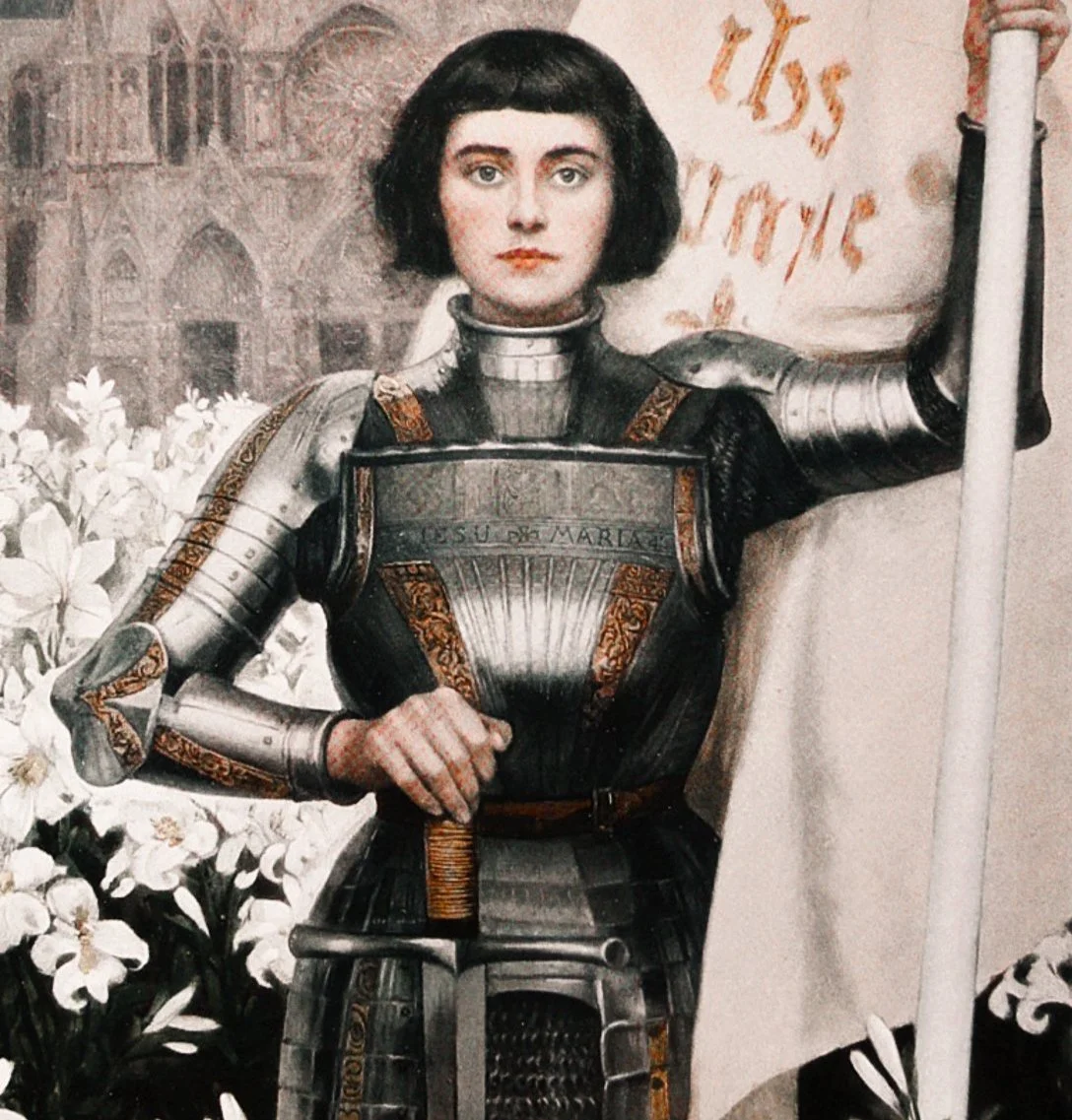
Joan of Arc was a young farm girl who believed she heard messages from God. She led French armies to important victories against the English during the Hundred Years’ War.
Her courage inspired the nation, and even though she was captured and burned at the stake at just 19, Joan became a symbol of faith, bravery, and patriotism. Today, she is celebrated as a saint and a hero of France.
3. Louis XIV (1638-1715)
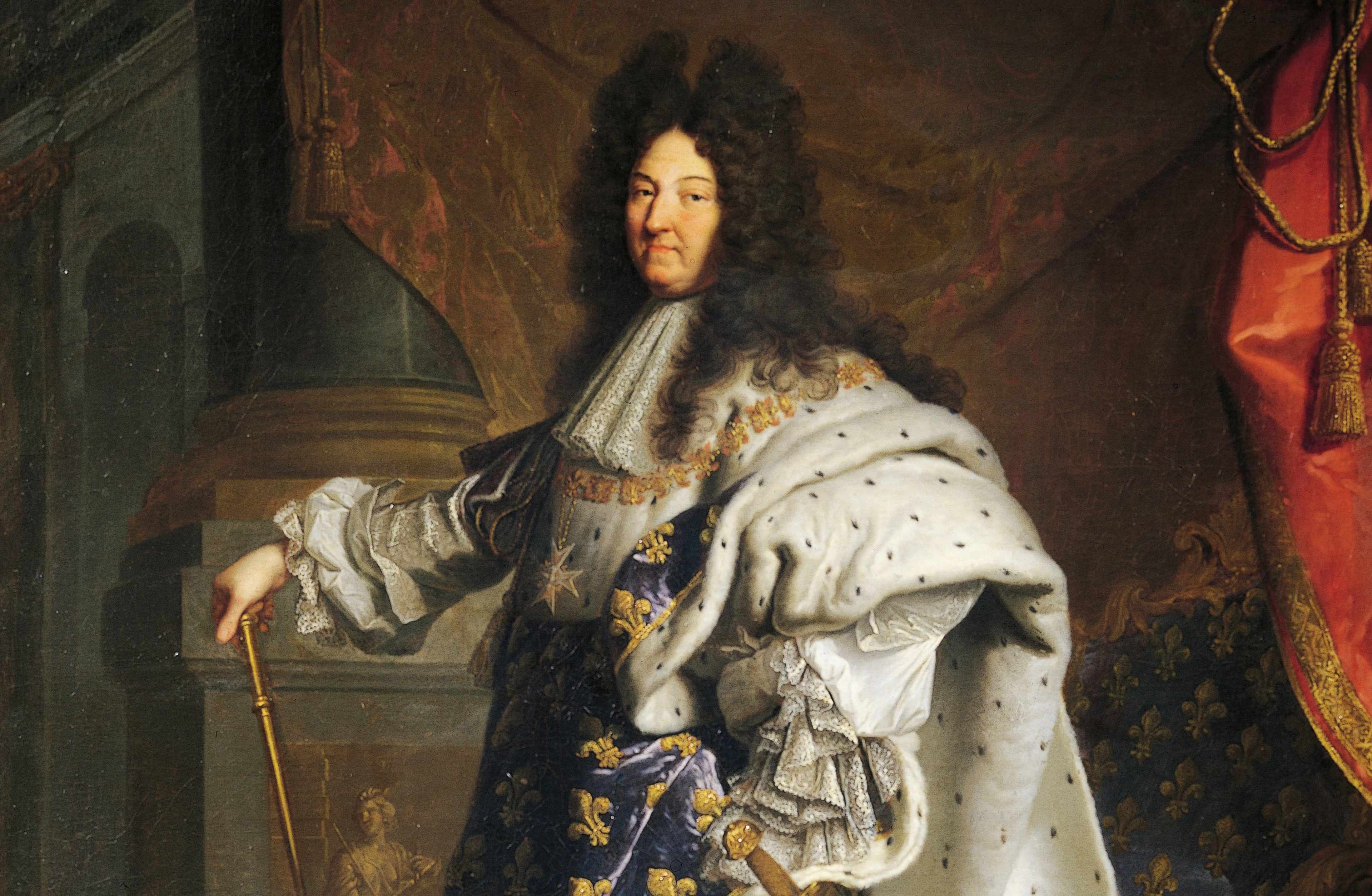
Known as the Sun King, Louis XIV ruled France for 72 years, the longest reign in European history. He strengthened France’s power and influence, built the famous Palace of Versailles, and set the standard for royal courts and culture.
Under his reign, arts, architecture, and fashion flourished, and France became a leading power in Europe. Louis XIV’s legacy is remembered for shaping French culture and government.
4. Charles De Gaulle (1890-1970)
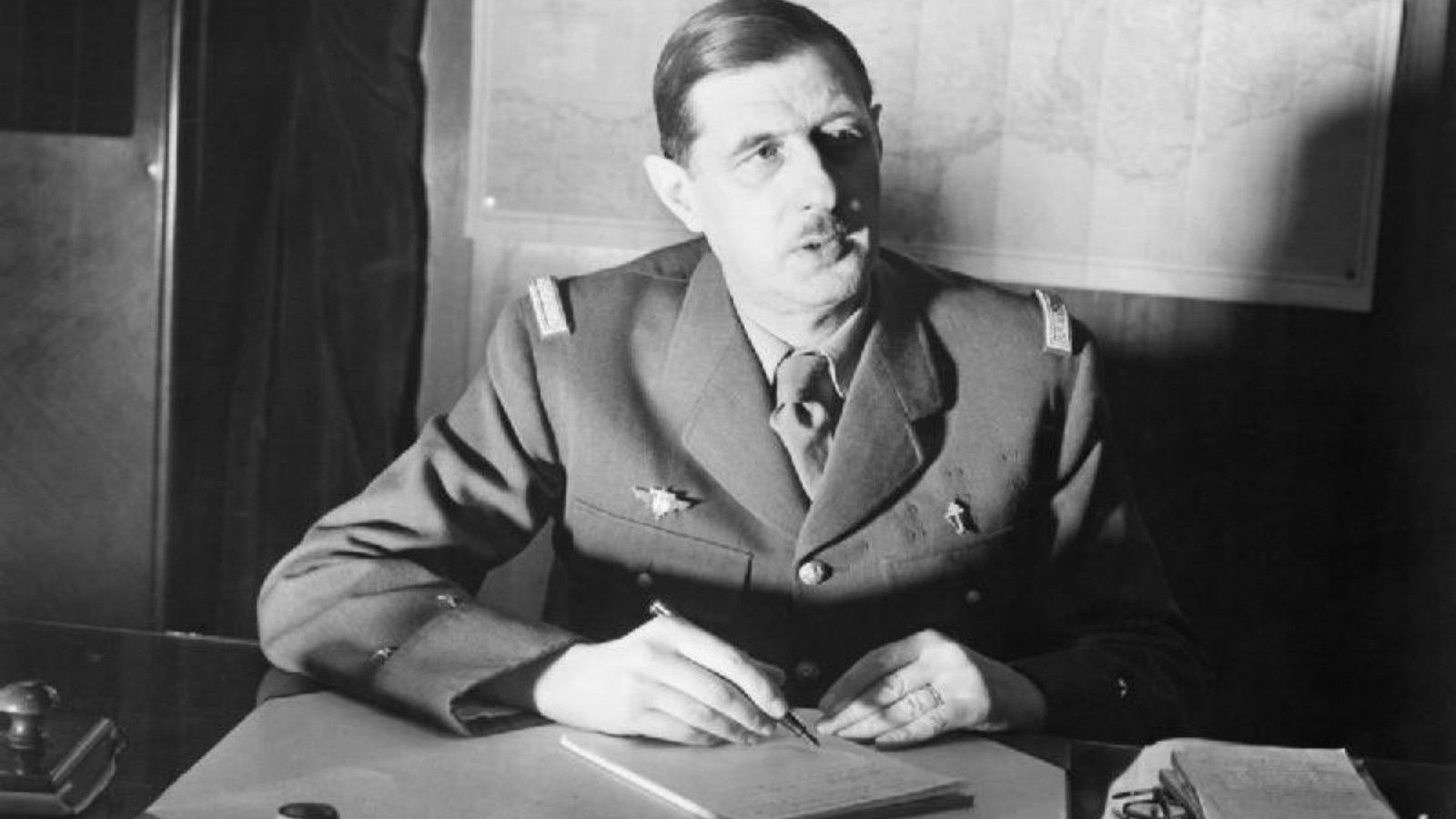
Charles de Gaulle was a soldier and leader who guided France through some of its darkest times. During World War II, he led the Free French forces against Nazi Germany.
Later, as president, he worked to strengthen France’s independence and international influence. Famous for his patriotic motto, “Vive la France!”, de Gaulle played a key role in modernizing the country and maintaining national pride.
5. Henry IV (1553-1610)
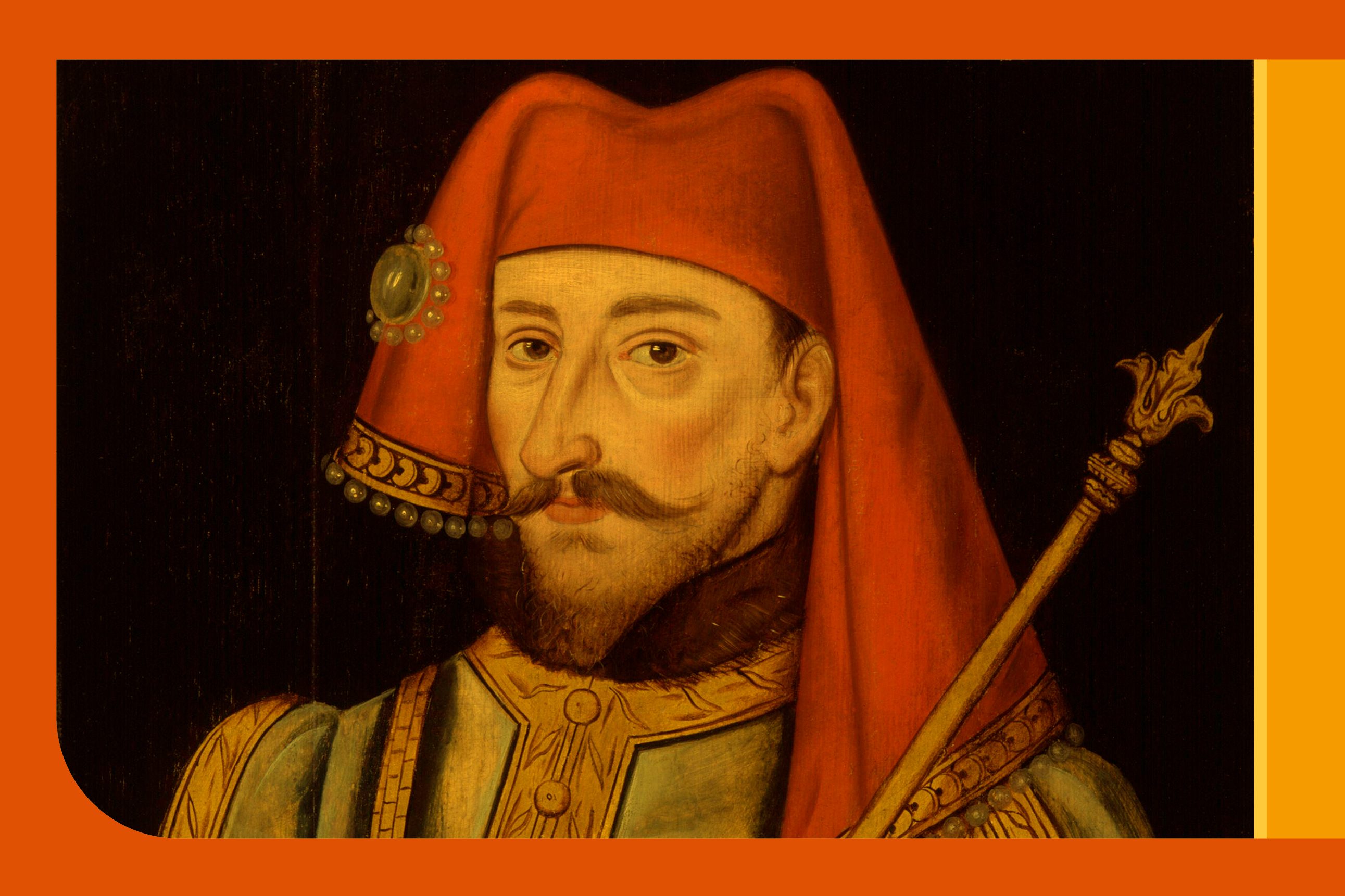
Henry IV became king at a time of religious wars in France. He helped bring peace by converting to Catholicism and passing laws that allowed religious tolerance. He also improved France by building better roads, improving food supply, and supporting agriculture.
Despite being assassinated, Henry IV is remembered as a wise and beloved king who cared for his people and strengthened the nation. Looking at a map of Francetoday, you can still trace the regions and cities where his reforms left a lasting impact.
6. Charlemagne (742-814)
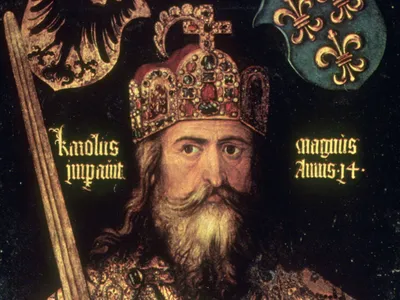
Charlemagne was a powerful king who united much of Western Europe and became the first Holy Roman Emperor. He strengthened kingdoms, spread Christianity, and promoted education by building schools and encouraging learning.
Known as the Father of Europe, Charlemagne’s leadership laid the foundation for modern European nations. His reign is remembered for shaping medieval Europe, uniting diverse lands, and spreading culture and religion across the continent.
7. Louis XVI (1754-1793)
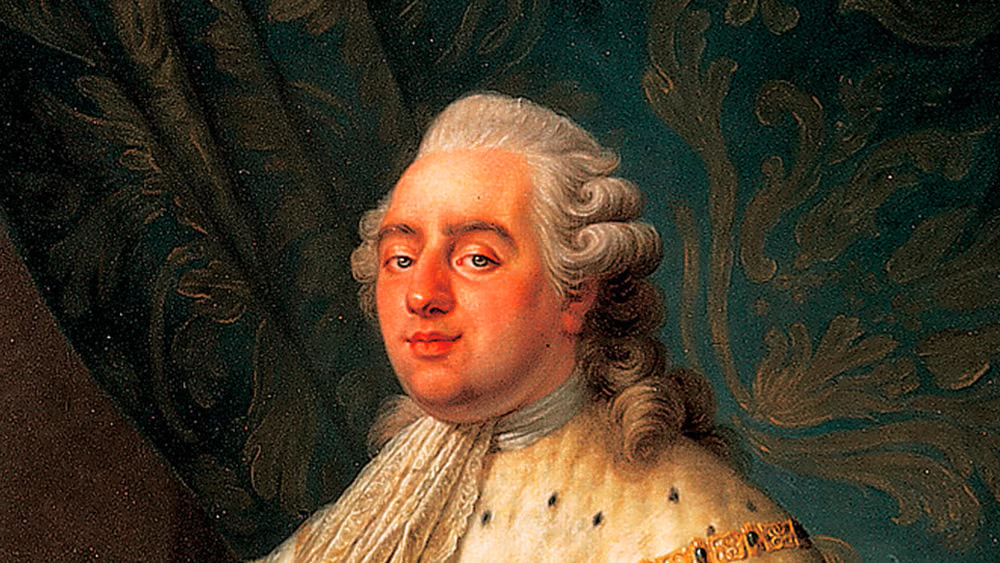
Louis XVI was the last king of France before the French Revolution. He tried to reform taxes and improve governance, but growing unrest and inequality led to the revolution.
His reign ended tragically when he was executed by guillotine, and his wife, Marie Antoinette, became a symbol of royal excess. Louis XVI’s rule is remembered in French history for the end of absolute monarchy and the beginning of a new era in politics and society.
8. Maximilien Robespierre (1758-1794)
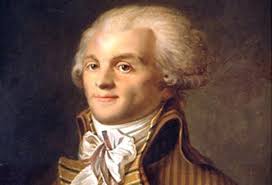
Robespierre was a lawyer and one of the most influential leaders of the French Revolution. He pushed for social and political change, leading the Reign of Terror, during which many were executed for opposing revolutionary ideals.
Known for his strict moral vision and radical reforms, Robespierre’s life ended the same way he ruled by execution. He remains a controversial figure in French political history, symbolizing the tension between liberty and extreme authority.
9. François I (1494-1547)
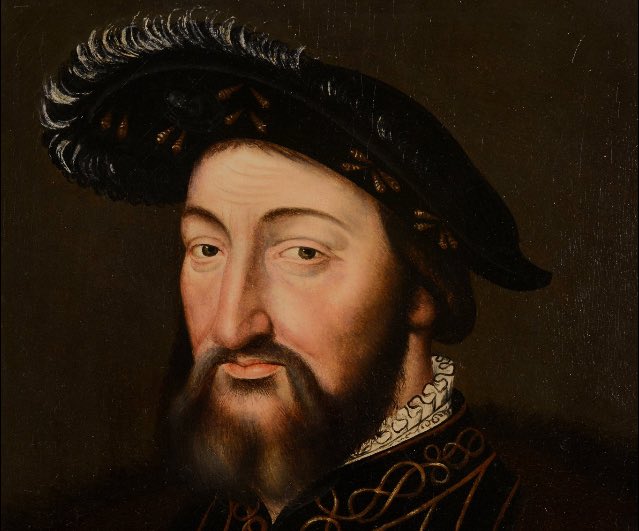
François I was a Renaissance king who made France a center of art, culture, and learning. He invited famous artists like Leonardo da Vinci to France and built magnificent châteaux, such as Chambord and Fontainebleau.
His reign helped define Renaissance France, promoting architecture, literature, and painting, and establishing the French court as a symbol of style and culture that inspired generations.
10. Philippe Pétain (1856-1951)
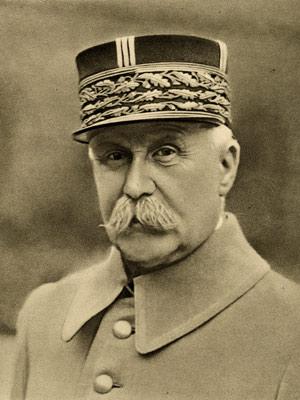
Philippe Pétain was a celebrated World War I hero for his leadership at the Battle of Verdun. Later, he led Vichy France during World War II, a period that remains controversial in history.
While his earlier military career is honored, his political choices sparked debates about loyalty, collaboration, and national identity. Pétain’s life shows the complexity of modern French history and the challenges leaders face during war.
11. Claude Monet (1840-1926)
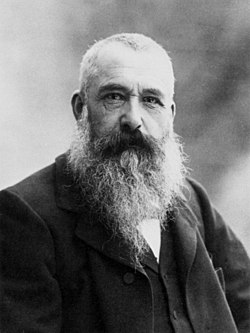
Claude Monet was a pioneering artist who started Impressionism, a style that focused on light, color, and everyday life. His famous water lily paintings and scenes of his garden in Giverny changed how people saw art.
Monet’s work influenced generations of French painters and continues to draw millions of visitors to his home and gardens, making him a central figure in French art history.
12. Victor Hugo (1802-1885)
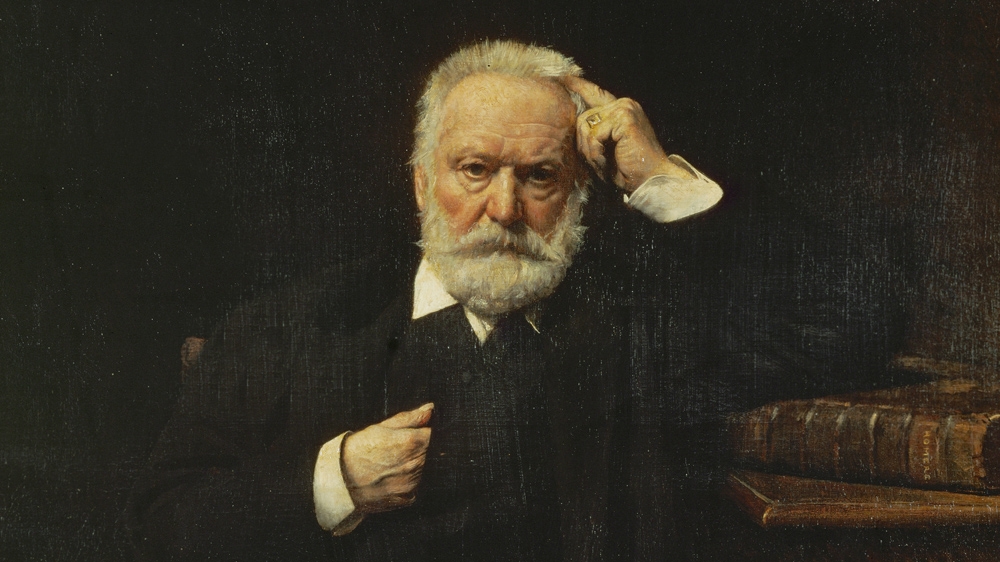
Victor Hugo was one of France’s greatest writers, known for classics like Les Misérables and Notre-Dame de Paris. Beyond literature, he fought for justice, human rights, and against cruel punishments.
Exiled for his political beliefs, Hugo returned to France as a hero. He is remembered as a towering figure in French literature, shaping culture and inspiring generations with his words.
13. Voltaire (1694-1778)
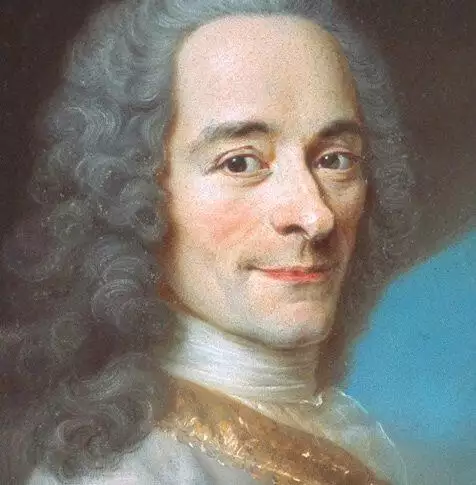
Voltaire was a writer and thinker who challenged kings, the church, and traditional authority. He promoted reason, free speech, and human rights, and his sharp wit became a hallmark of the French Enlightenment.
Through essays, letters, and plays, Voltaire’s ideas encouraged critical thinking and social reform, making him one of France’s most influential intellectuals.
14. Gustave Eiffel (1832-1923)
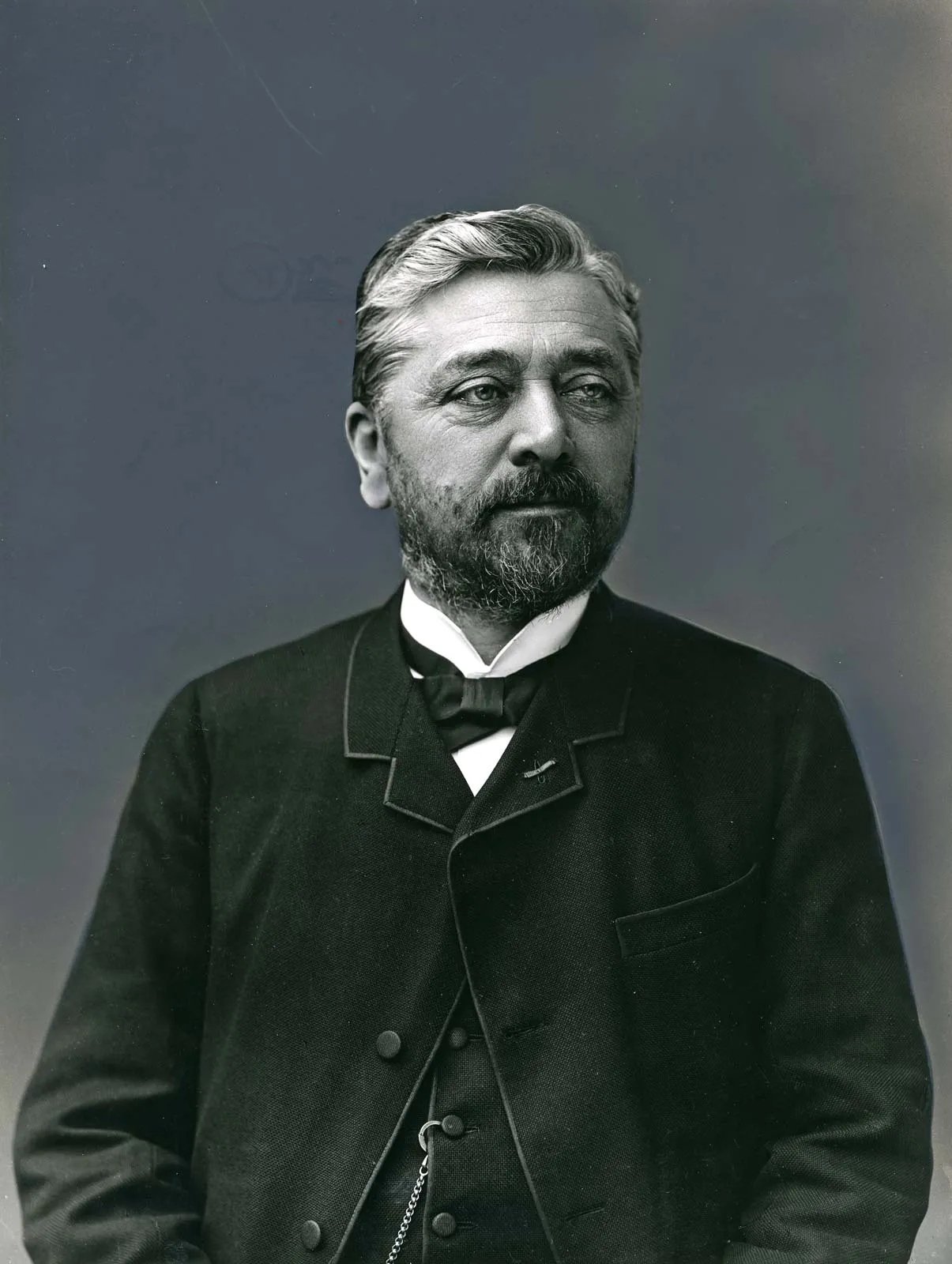
Gustave Eiffel was an engineer and inventor best known for designing the Eiffel Tower for the 1889 World Fair. He also created the internal framework for the Statue of Liberty.
Eiffel’s work in iron construction revolutionized city skylines and architecture, showing how engineering could become an art form. His legacy endures in Paris and across the world.
15. Coco Chanel (1883-1971)
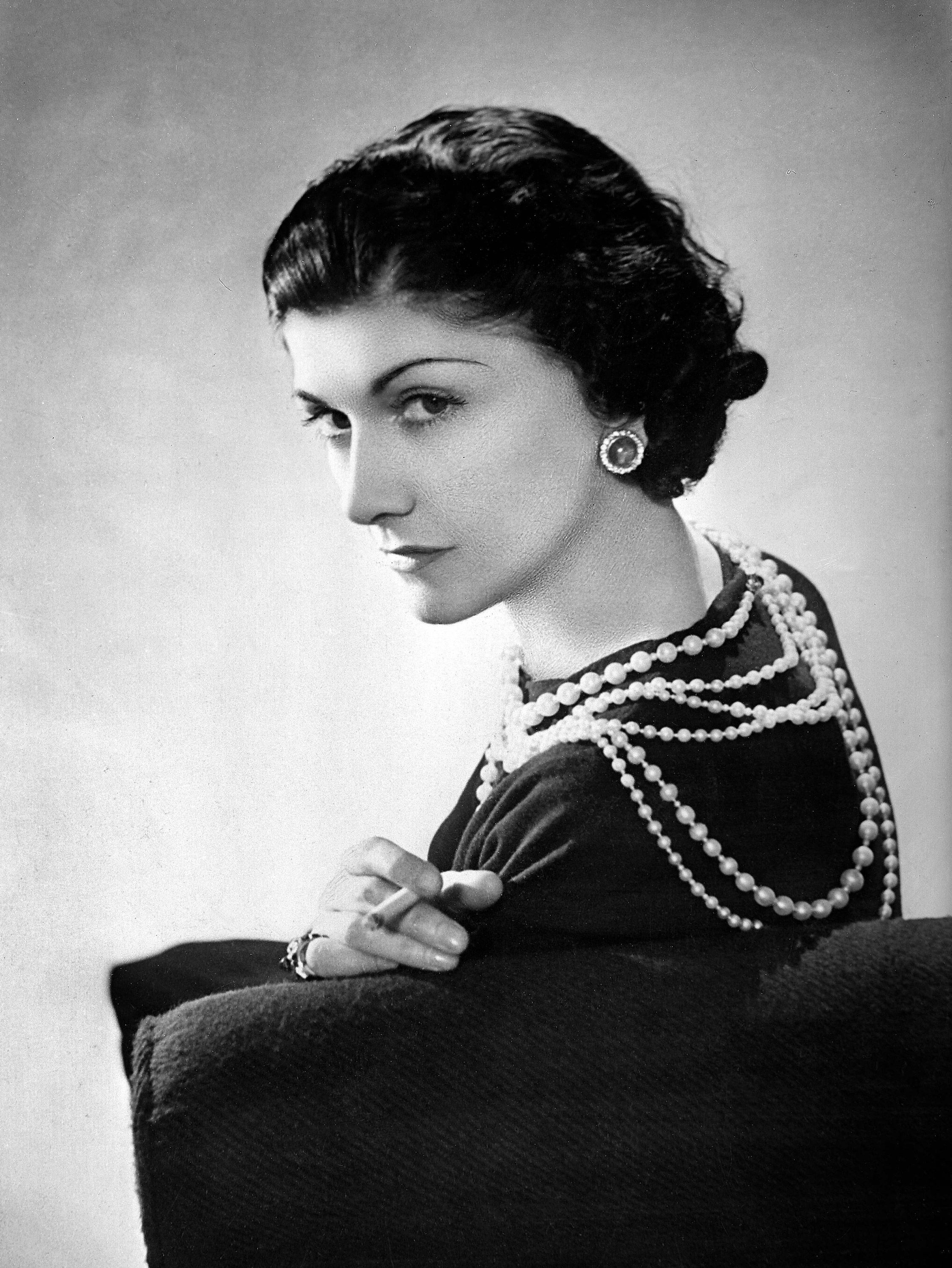
Coco Chanel was a fashion designer who transformed women’s style. She freed women from restrictive corsets, popularized the little black dress, and created the iconic Chanel No. 5 perfume.
Chanel’s designs combined elegance and simplicity, establishing her as one of the most influential fashion icons in history. Her work shaped modern fashion and continues to inspire designers worldwide.
16. Édith Piaf (1915-1963)
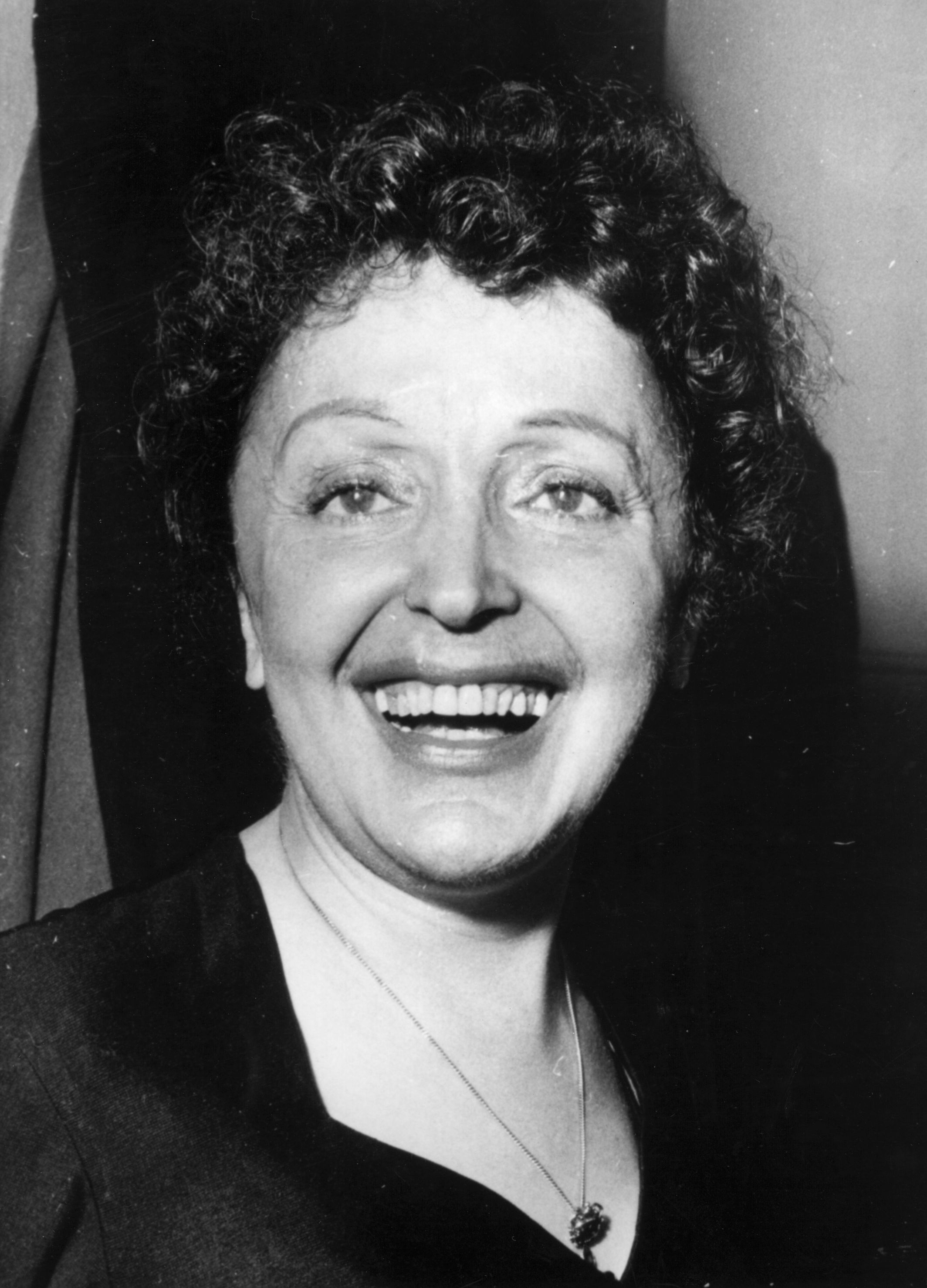
Édith Piaf was a legendary French singer, best known for her iconic song La Vie en Rose. She rose from the streets of Paris to international stardom with her powerful, emotional voice.
Piaf’s life story of struggle and triumph has inspired movies and countless artists, making her one of the most famous figures in French music history.
17. René Descartes (1596-1650)
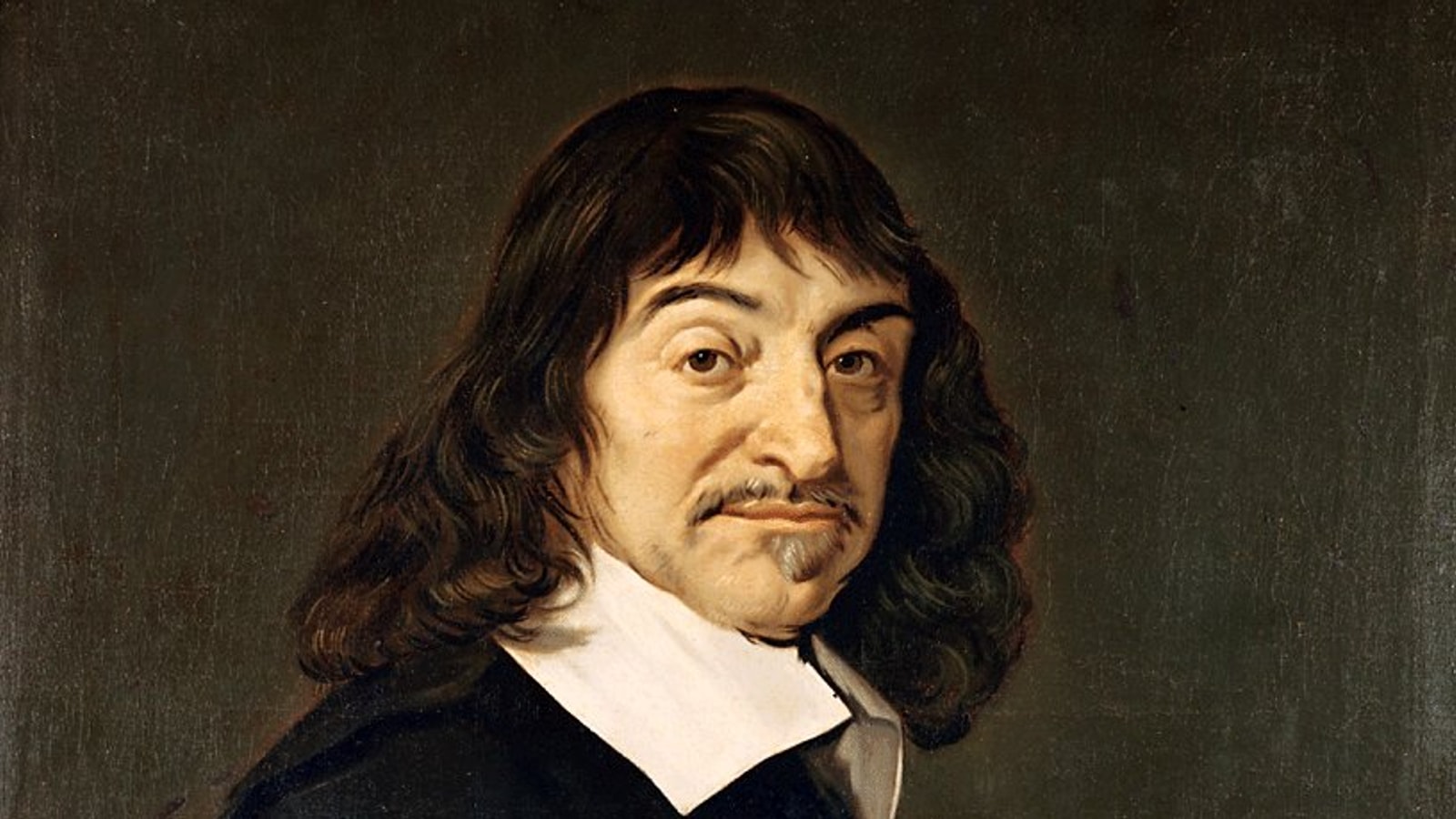
René Descartes was a philosopher, mathematician, and scientist, often called the Father of Modern Philosophy. He is famous for the phrase, “I think, therefore I am,” and introduced methods of doubt that shaped modern science and reasoning.
Descartes’ work laid the foundation for modern mathematics, philosophy, and scientific thinking in France and beyond.
18. Jules Verne (1828-1905)
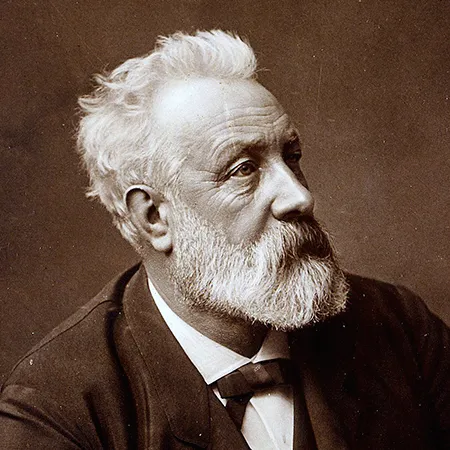
Jules Verne was a pioneering French author of science fiction, writing classics like Twenty Thousand Leagues Under the Sea and Journey to the Center of the Earth.
He imagined submarines, space travel, and futuristic inventions long before they existed. Verne’s books made him a global literary icon and a key figure in French literature and early sci-fi.
19. Marcel Proust (1871-1922)
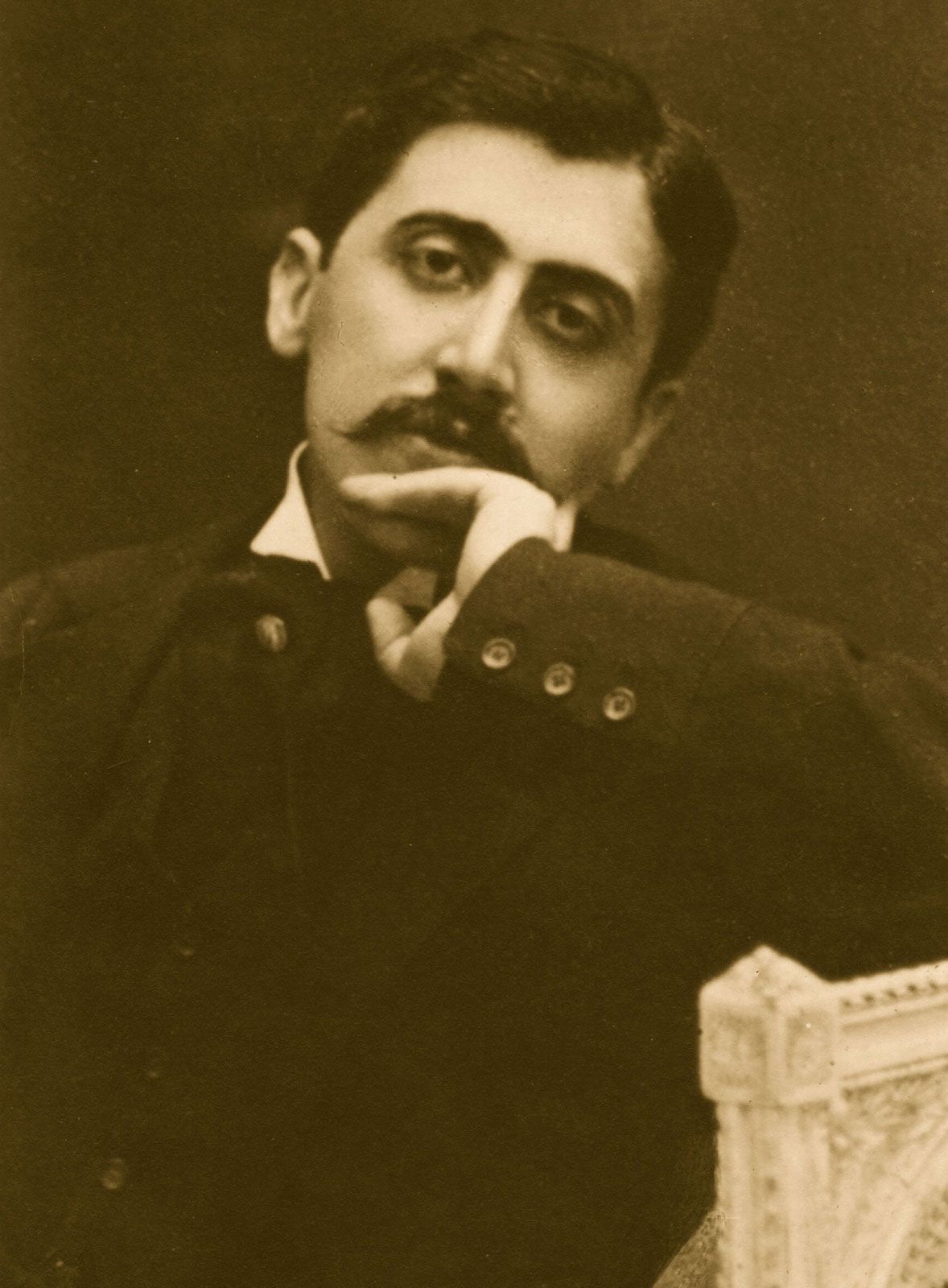
Marcel Proust was a French novelist best known for In Search of Lost Time, a masterpiece exploring memory, society, and human experience. His writing style and attention to detail have influenced generations of authors.
Proust also made the act of dipping a cookie in tea famous in literary culture, showing how everyday life can inspire deep reflection.
20. Claude Debussy (1862-1918)
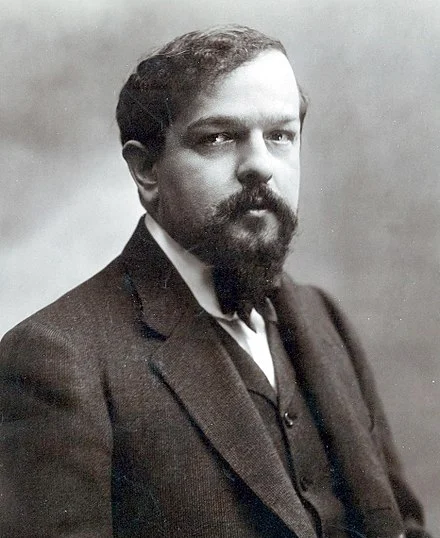
Claude Debussy was a composer who transformed classical music with dreamy, expressive works like Clair de Lune. He broke traditional rules of harmony and rhythm, creating a new, impressionistic sound that influenced generations of musicians.
Debussy remains a central figure in French music history and is celebrated for his innovative, poetic compositions.
21. Louis Pasteur (1822-1895)
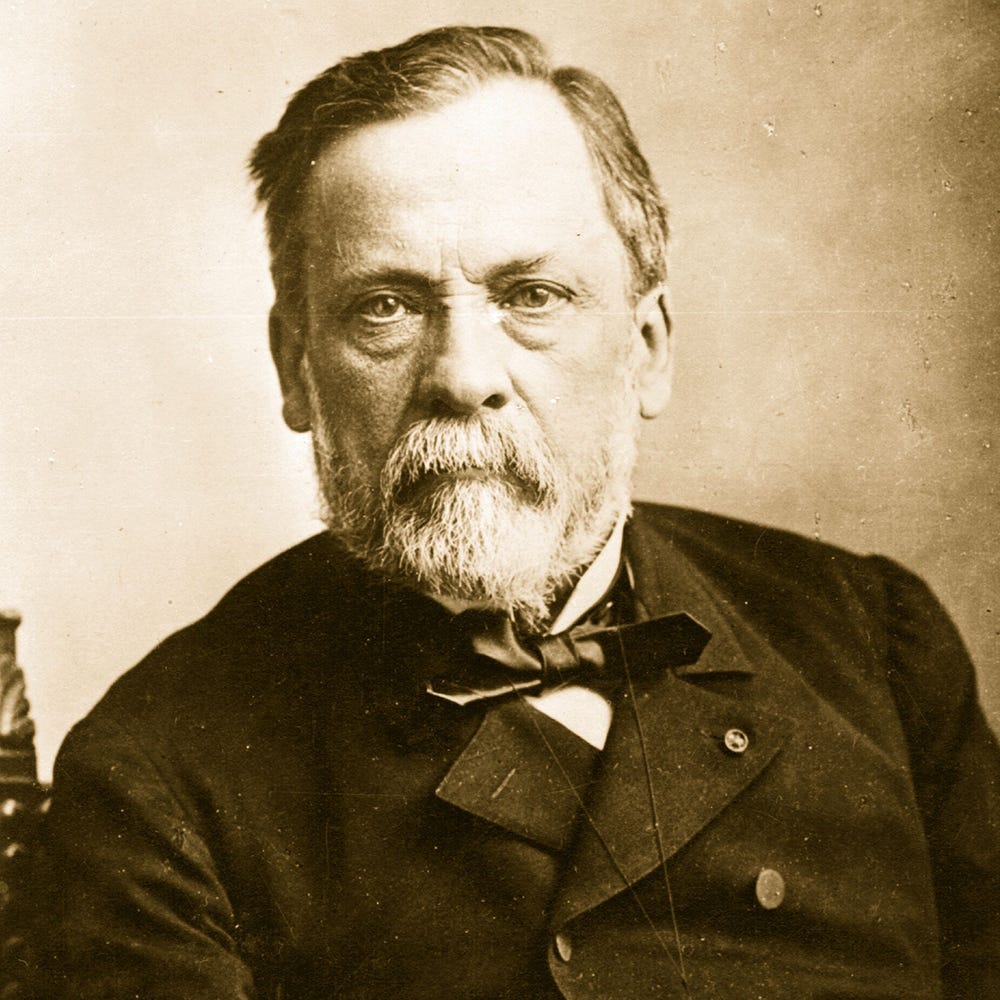
Louis Pasteur was a French scientist and microbiologist who proved that germs cause disease. He created vaccines for rabies and developed methods to make milk and wine safe to drink, a process called pasteurization.
Pasteur’s work revolutionized medicine and public health, saving countless lives and laying the foundation for modern microbiology. He remains one of the most influential French medical pioneers in history.
22. Marie Curie (1867-1934)
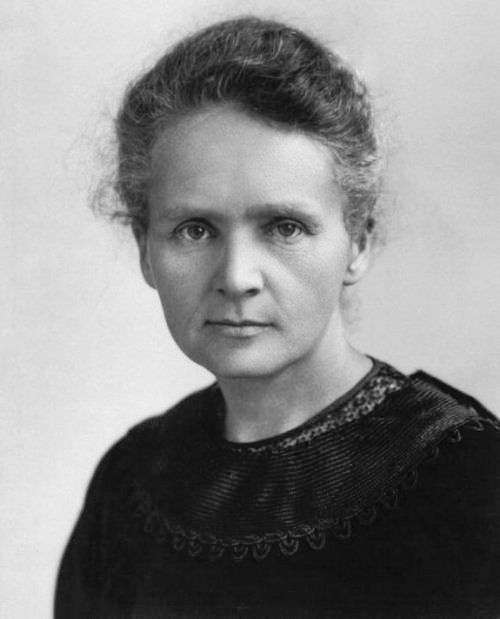
Marie Curie was a physicist and chemist who discovered the elements radium and polonium. She was the first person to win two Nobel Prizes in different sciences and helped develop X-ray technology used in wars and hospitals.
Her research on radioactivity not only advanced science but also opened doors for women in STEM, making her a legendary French scientist and role model.
23. Blaise Pascal (1623-1662)
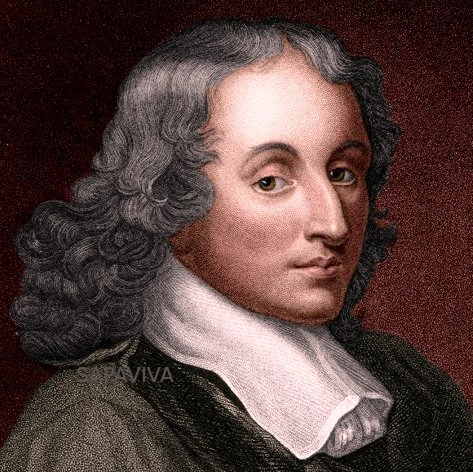
Blaise Pascal was a mathematician, physicist, and philosopher. He invented an early mechanical calculator and made important contributions to probability theory.
Pascal’s writings on faith, reason, and human nature continue to inspire discussions in philosophy and science. He is remembered as a brilliant French thinker and inventor whose ideas shaped modern mathematics and scientific thought.
24. Antoine Lavoisier, (1743-1794)
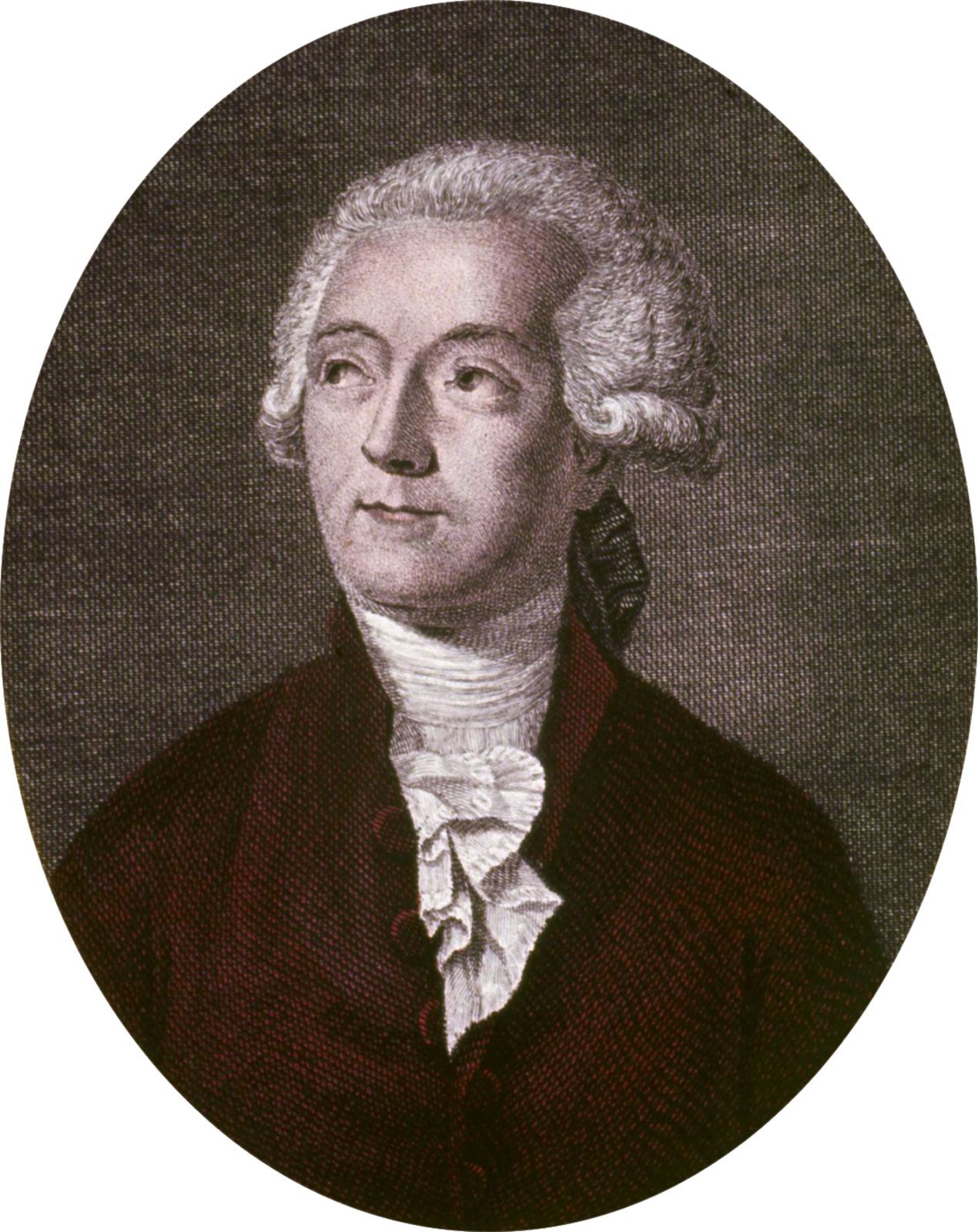
Antoine Lavoisier, called the Father of Modern Chemistry, discovered the role of oxygen in combustion and named the element itself. He proved that mass is conserved in chemical reactions and helped establish a systematic chemical nomenclature.
Tragically, he was executed during the French Revolution, but his scientific legacy lives on, influencing generations of French chemists and researchers.
25. Pierre Curie (1859-1906)
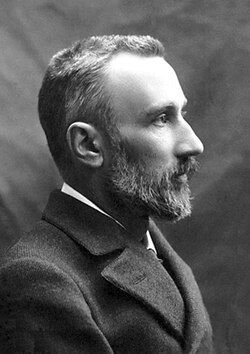
Pierre Curie was a physicist who worked closely with his wife, Marie Curie, on radioactivity research. He shared a Nobel Prize with her for their groundbreaking discoveries and contributed to the understanding of magnetism and crystal physics.
Pierre’s work laid the groundwork for modern physics, though he died in a tragic street accident. He remains one of the most celebrated French physicists in history.
27. Denis Diderot (1713-1784)
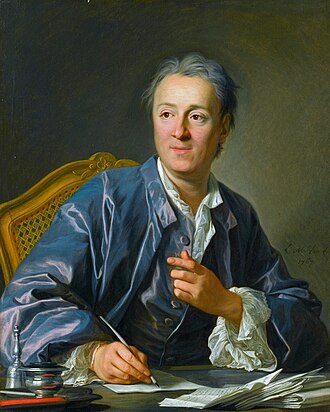
Denis Diderot was a writer, philosopher, and intellectual leader of the French Enlightenment. He edited the Encyclopédie, a massive collection of knowledge that shared science, art, and ideas across Europe.
Diderot challenged old traditions and promoted reason, education, and free thought, making him a key figure in spreading knowledge and shaping modern European philosophy.
28. Jean-Paul Sartre (1905-1980)
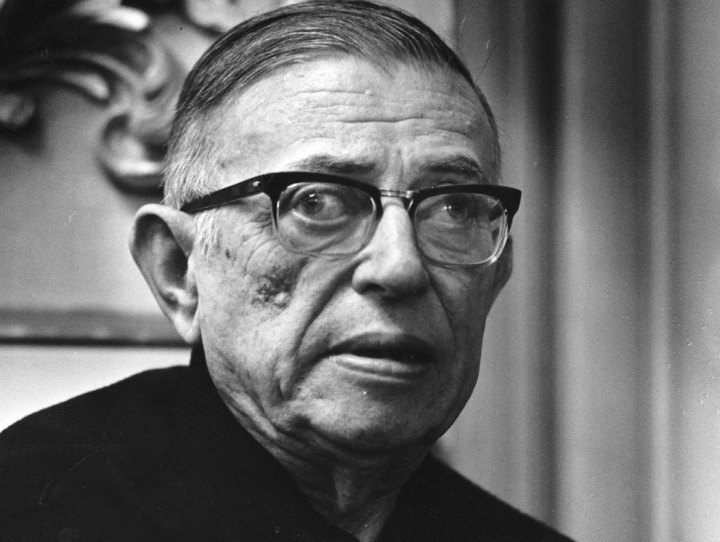
Jean-Paul Sartre was a French philosopher, writer, and existentialist thinker. He explored freedom, choice, and responsibility in life, famously saying, “Hell is other people.”
Sartre rejected the Nobel Prize, believing true philosophy should remain independent of fame. His ideas influenced modern thought, literature, and French intellectual culture, inspiring generations to question existence and society.
29. Montesquieu (1689-1755)
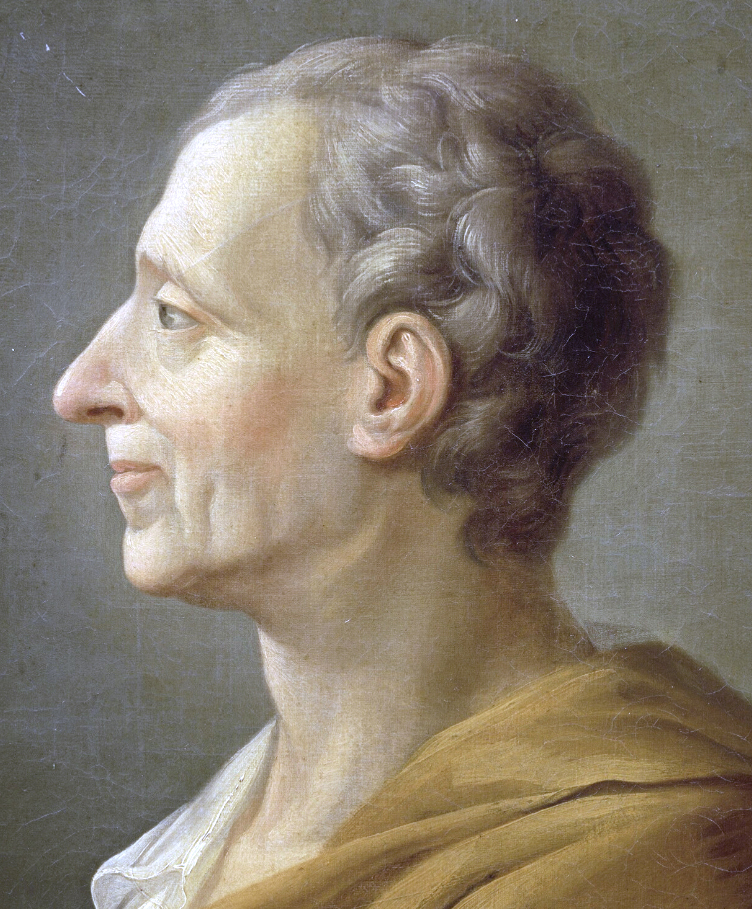
Montesquieu was a French political philosopher who studied government and law. He wrote about the separation of powers, which became a foundation for the United States Constitution and modern democratic systems.
His ideas on liberty, justice, and balanced government continue to influence political thought and remain central to studies in law and governance.
30. Évariste Galois (1811-1832)
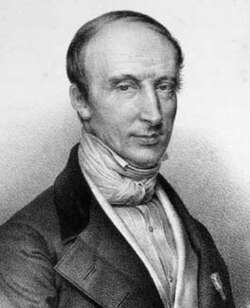
Évariste Galois was a brilliant French mathematician who founded group theory, a cornerstone of modern algebra. He made revolutionary contributions to mathematics at a very young age, but tragically died in a duel at just 20.
Galois’ work continues to influence abstract algebra, cryptography, and advanced mathematics, cementing his place as one of France’s greatest scientific minds.
31. Pierre-Simon Laplace (1749-1827)
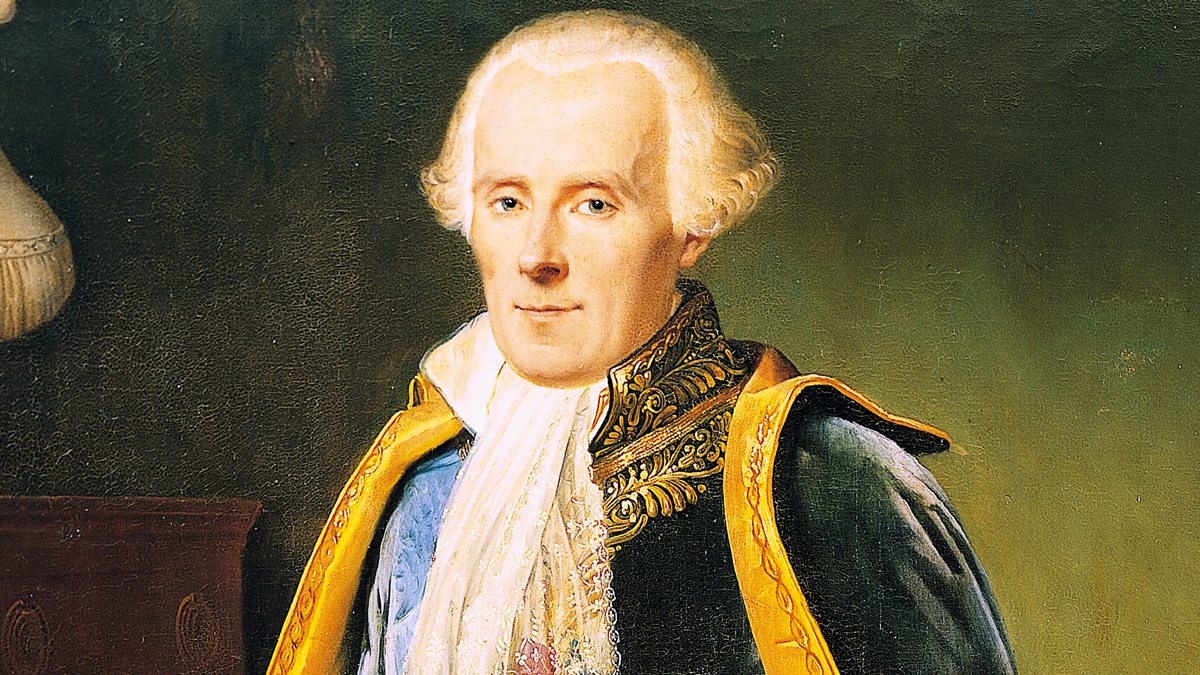
Pierre-Simon Laplace was a French astronomer and mathematician who explained the motion of planets using math and physics. He contributed to celestial mechanics and probability theory, showing how natural laws govern the universe.
Laplace also explored philosophy of science, suggesting that God could be seen as a hypothesis, influencing both science and French intellectual thought.
31. Zinedine Zidane (1972)
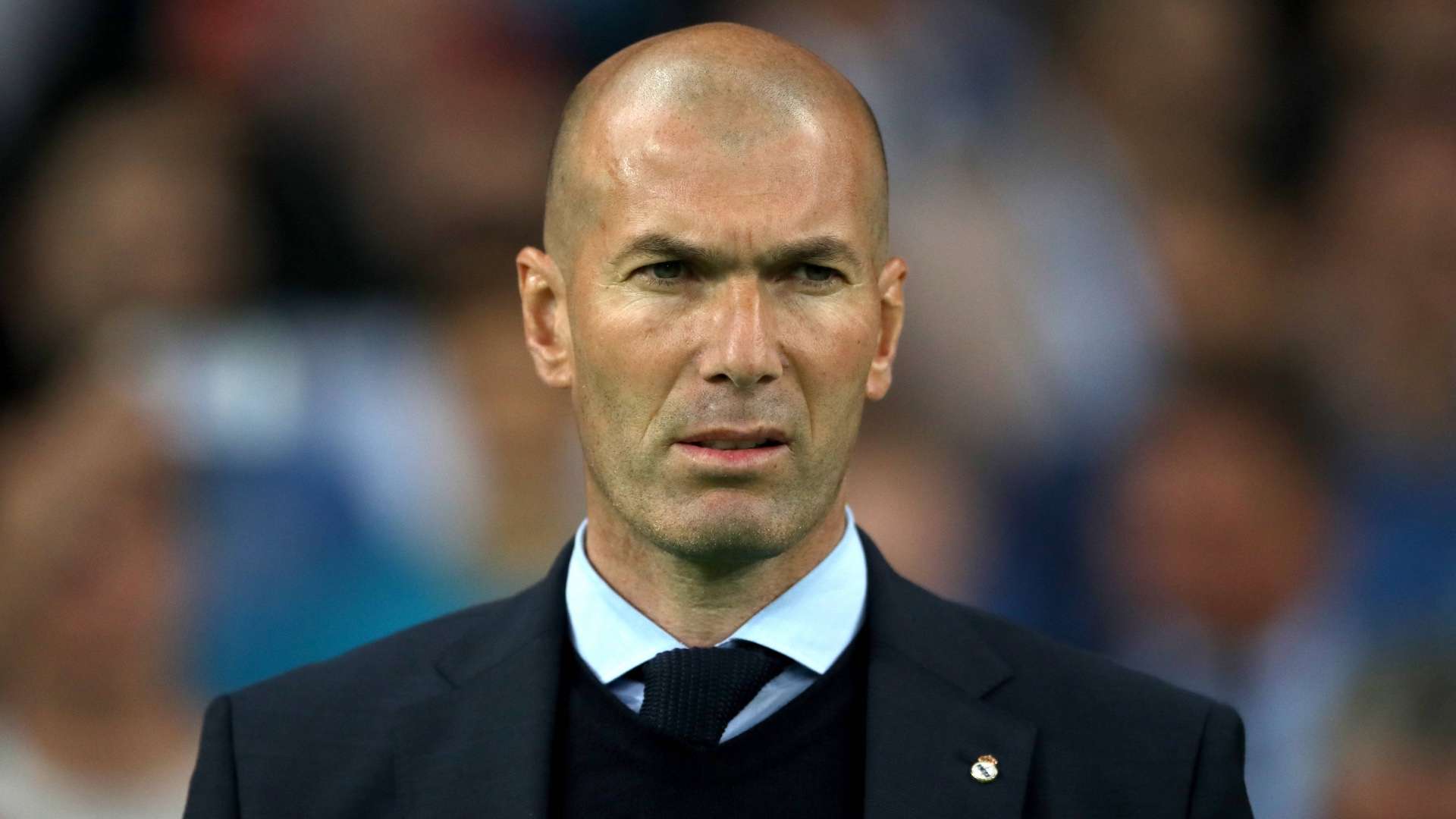
Zinedine Zidane is a French soccer legend, best known for leading France to victory in the 1998 World Cup and winning the 2000 European Championship. Famous for his skill, vision, and leadership on the field, Zidane also made headlines for his 2006 World Cup headbutt.
After retiring, he became a highly successful football coach, managing top clubs like Real Madrid and guiding stars to championship wins.
32. Kylian Mbappé (1998)

Kylian Mbappé is a fast and talented French soccer player who helped France win the 2018 World Cup at just 19 years old. Known for breaking records at a young age, he is celebrated as one of France’s greatest football talents.
Mbappé combines speed, skill, and scoring ability, inspiring a new generation of soccer fans and shaping the future of French football.
33. Gérard Depardieu (1948)
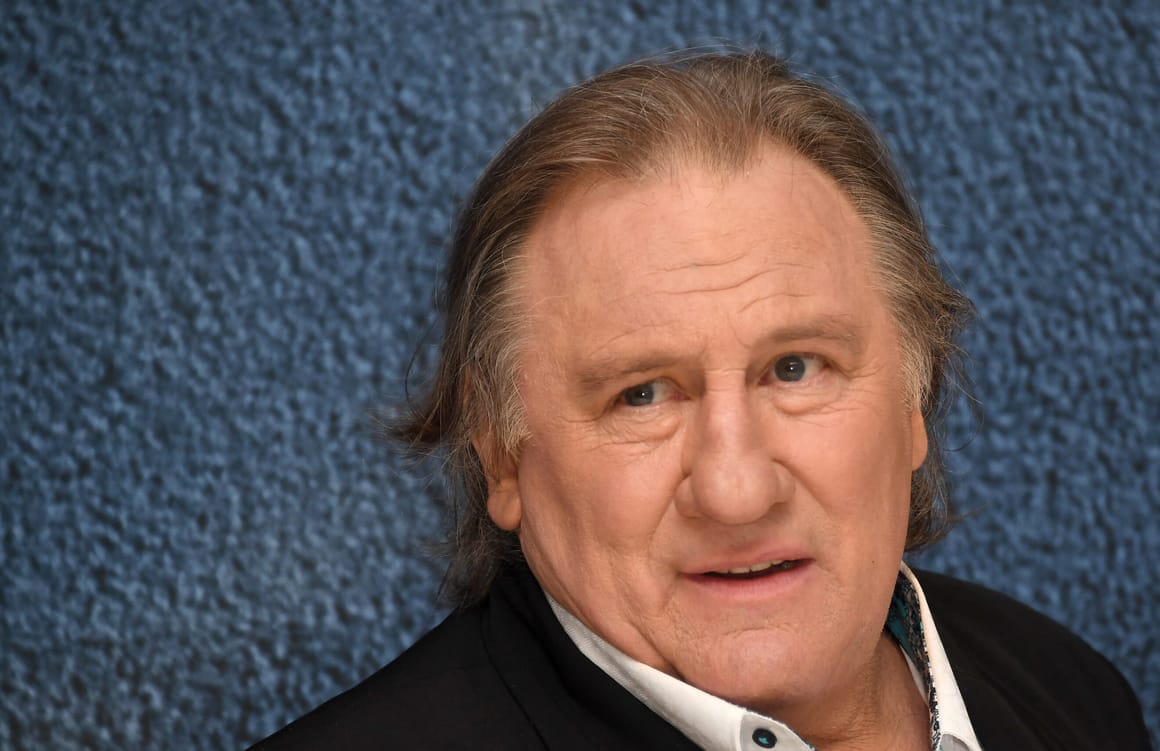
Gérard Depardieu is a prolific French actor with a career spanning hundreds of films, including classics like Cyrano de Bergerac. Known for his bold personality both on and off screen, Depardieu has contributed greatly to French cinema and remains one of the country’s most recognized actors internationally.
Fans often wonder about his success and lifestyle, which is why Gérard Depardieu's Fortuneis frequently discussed in media and celebrity finance profiles.
34. Marie Antoinette (1755-1793)
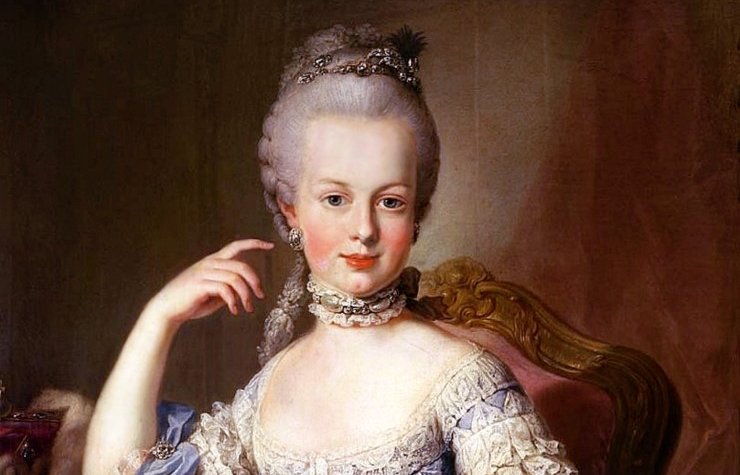
Marie Antoinette was the last Queen of France before the French Revolution, married to King Louis XVI. Known for her luxurious lifestyle at Versailles, she became a symbol of royal excess and controversy.
While often remembered for her extravagance, she also supported charities and tried to navigate political challenges during a turbulent period in French history. Her life ended tragically when she was executed during the revolution, but she remains one of the most famous figures of the French monarchy.
35. Yannick Noah (1960)
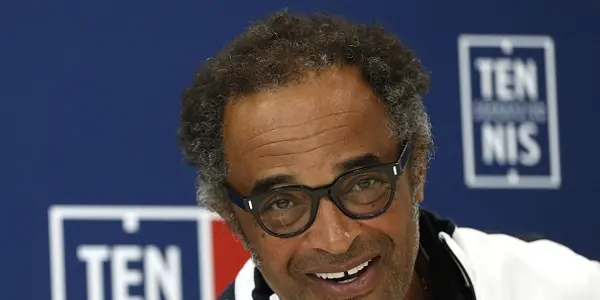
Yannick Noah is a celebrated French tennis champion and singer. He became the first Black French player to win a Grand Slam, claiming victory at the 1983 French Open.
After retiring from tennis, Noah pursued a successful music career while remaining a national sports hero. His contributions to both French sports and culture make him a beloved figure in France.
36. Renaud (1952)
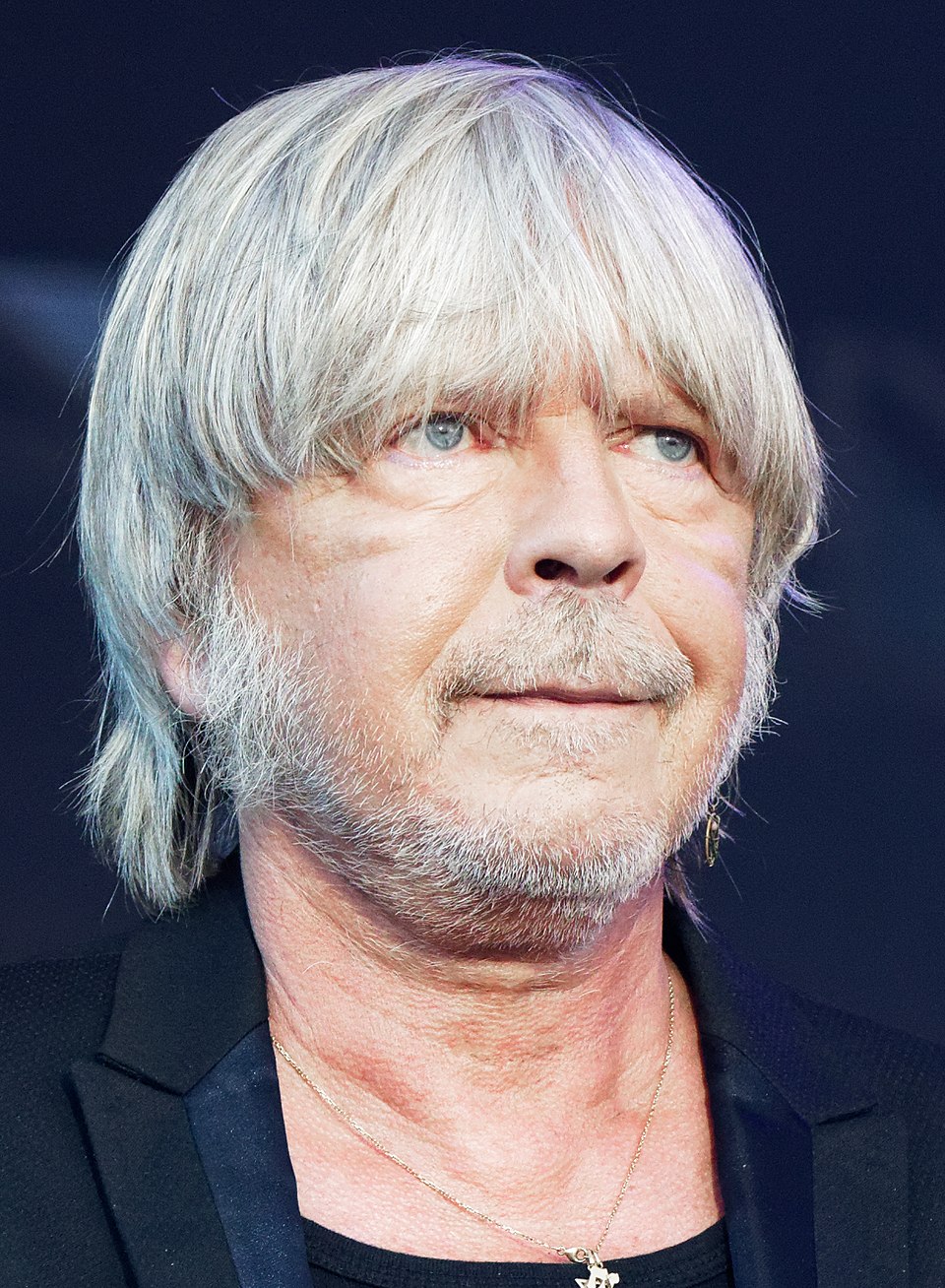
Renaud is a famous French singer and songwriter known for his rebellious songs and strong voice for the working class. His music often highlights social issues, politics, and everyday struggles in France.
With decades of influence, Renaud has become an important figure in French music culture, inspiring generations of artists and fans with his honesty and bold lyrics.
37. David Guetta (1967)
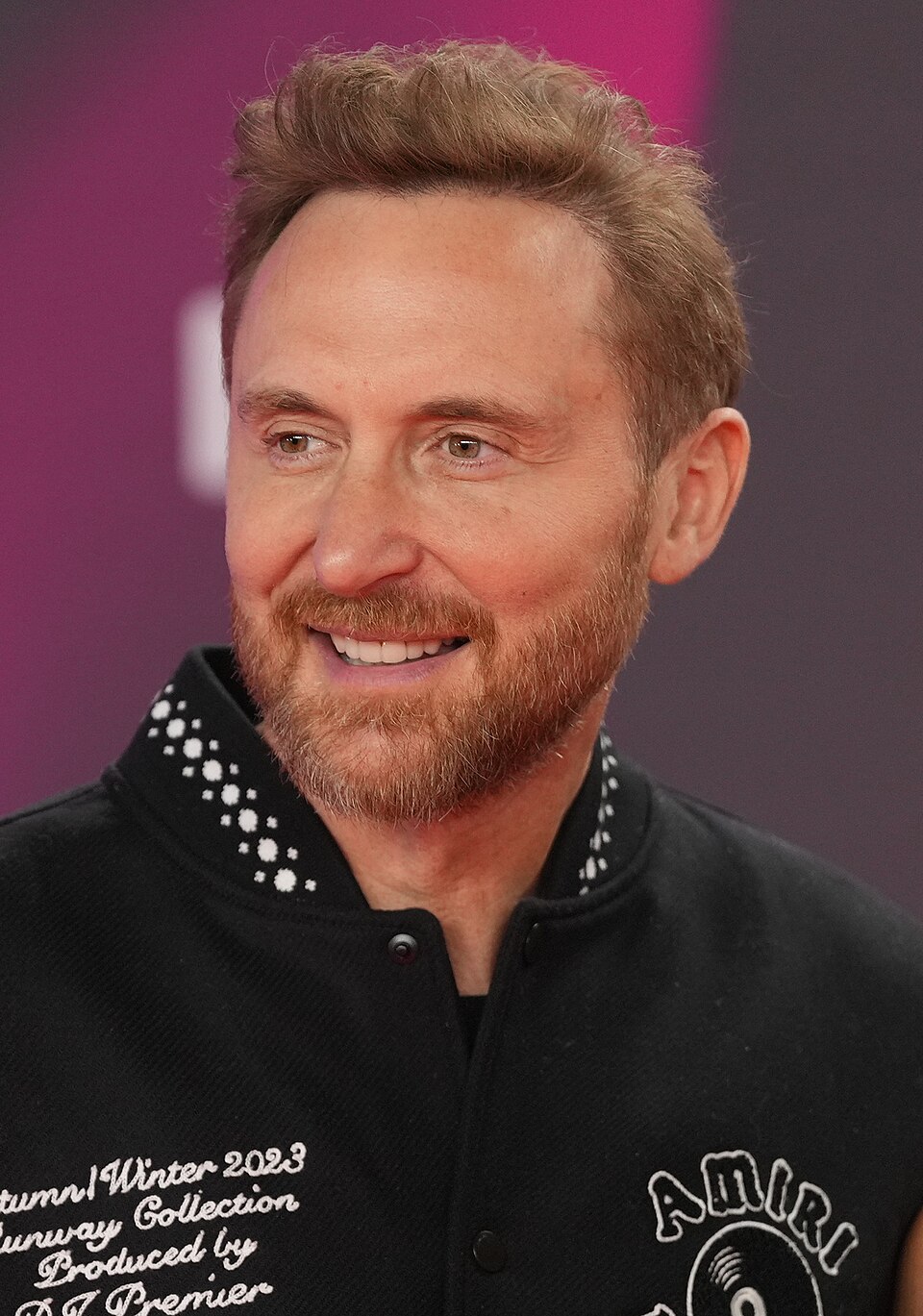
David Guetta is a world-famous French DJ and music producer who helped bring electronic music to a global audience. Known for mixing hit songs with dance beats, he has collaborated with top artists and won multiple awards.
Guetta’s work has shaped modern French and international pop music, making electronic dance music mainstream and popular worldwide.
38. Marion Cotillard (1975)

Marion Cotillard is an Oscar-winning French actress, best known for portraying Édith Piaf in La Vie en Rose. She has also starred in international films while advocating for environmental causes.
Cotillard’s talent and activism have made her a leading figure in French cinema and culture, combining artistic excellence with social responsibility.
39. Antoine Dupont (1996)

Antoine Dupont is a French rugby star widely regarded as one of the best players in the world. He plays scrum-half for both the French national team and Toulouse in the Top 14 league.
Known for his speed, vision, and leadership, Dupont helped France win important international matches and has been a key figure in revitalizing French rugby. His skill and dedication make him a modern sports icon and one of the most celebrated French athletes of his generation.
For anyone planning a trip to experience the culture and sports passion of France, a France travel guidecan be incredibly helpful in discovering must-see cities, local events, and sporting venues that celebrate national heroes like Dupont.
40. King Louis XIV
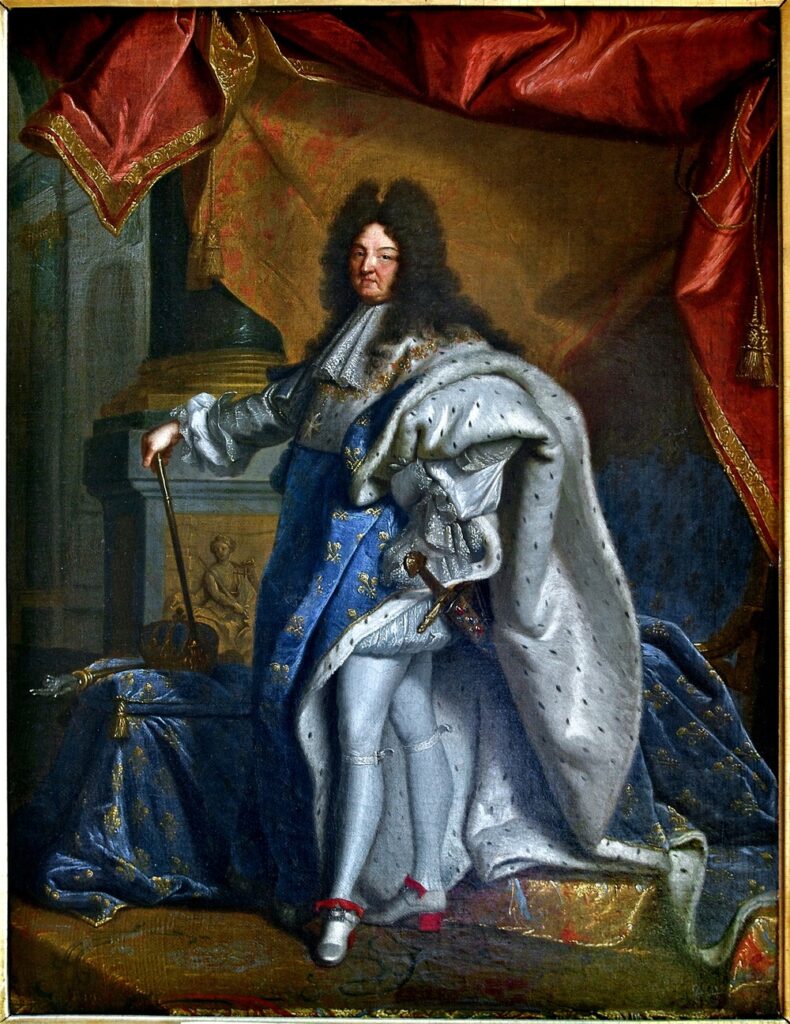
King Louis XIV, known as the Sun King, ruled France for 72 years, the longest reign of any European monarch. He strengthened the French monarchy, centralizing power and making France the most powerful country in Europe at the time.
Louis XIV built the magnificent Palace of Versailles, setting a standard for royal luxury, art, and architecture. He also promoted culture, fashion, and the arts, turning France into a global cultural leader. His long reign shaped French history and left a lasting legacy on European politics and society.
People Also Ask
Who Is The Famous French Woman?
The most revered woman in all of French history, Jeanne D'Arc (1412-1431), who was inspired by God to fight the English during the Hundred Years War.
Which French Artists Changed The World?
French artists like Claude Monet (Impressionism), Édith Piaf (music), and Coco Chanel (fashion) made lasting contributions to art, music, and style worldwide. Their works and ideas continue to inspire generations.
Which French Scientists Made Major Discoveries?
France has a rich scientific history, with figures like Marie Curie, Louis Pasteur, Antoine Lavoisier, and Pierre-Simon Laplace who contributed to medicine, chemistry, physics, and astronomy. Their discoveries continue to impact science today.
Final Thoughts
France has produced some of the world’s most influential figures, from historic leaders and revolutionary thinkers to brilliant artists, scientists, athletes, and modern celebrities.
These 40 famous people from France have left lasting legacies in their fields, shaping culture, history, and society both in France and around the globe.
Jump to
40 Famous People From France Who Changed The World
1. Napoleon Bonaparte (1769-1821)
2. Joan Of Arc (1412-1431)
3. Louis XIV (1638-1715)
4. Charles De Gaulle (1890-1970)
5. Henry IV (1553-1610)
6. Charlemagne (742-814)
7. Louis XVI (1754-1793)
8. Maximilien Robespierre (1758-1794)
9. François I (1494-1547)
10. Philippe Pétain (1856-1951)
11. Claude Monet (1840-1926)
12. Victor Hugo (1802-1885)
13. Voltaire (1694-1778)
14. Gustave Eiffel (1832-1923)
15. Coco Chanel (1883-1971)
16. Édith Piaf (1915-1963)
17. René Descartes (1596-1650)
18. Jules Verne (1828-1905)
19. Marcel Proust (1871-1922)
20. Claude Debussy (1862-1918)
21. Louis Pasteur (1822-1895)
22. Marie Curie (1867-1934)
23. Blaise Pascal (1623-1662)
24. Antoine Lavoisier, (1743-1794)
25. Pierre Curie (1859-1906)
27. Denis Diderot (1713-1784)
28. Jean-Paul Sartre (1905-1980)
29. Montesquieu (1689-1755)
30. Évariste Galois (1811-1832)
31. Pierre-Simon Laplace (1749-1827)
31. Zinedine Zidane (1972)
32. Kylian Mbappé (1998)
33. Gérard Depardieu (1948)
34. Marie Antoinette (1755-1793)
35. Yannick Noah (1960)
36. Renaud (1952)
37. David Guetta (1967)
38. Marion Cotillard (1975)
39. Antoine Dupont (1996)
40. King Louis XIV
People Also Ask
Final Thoughts

Liam Jones
Author
Liam Jones has made it his mission to prove that adventure doesn’t need a hefty budget. Having traveled to over 40 countries, he specializes in finding affordable ways to experience the world, from the best street food in Bangkok to hidden gems in Lisbon.
Liam’s travel tips have reached thousands of readers, empowering them to see the world on a shoestring budget without sacrificing quality. With a deep passion for local cultures, he continues to share his travel hacks, ensuring adventure remains accessible to all.

Maya Reyes
Reviewer
Maya Reyes’s wanderlust was sparked in the temples of Luang Prabang, where the scent of lemongrass and the chants of monks revealed the transformative power of travel.
Since then, her journey has been defined by cultural immersion and authentic connections. From learning batik in Indonesia to sharing meals with nomadic families in Mongolia, Maya seeks experiences that highlight the human stories behind each destination.
Travel for her is a way to weave her narrative into the world’s cultural tapestry, creating bridges across diverse ways of life. Maya has traveled to 15 countries and shares her insights through writing and storytelling.
Latest Articles
Popular Articles