Barcelona Travel Safety Tips And Things You Might Want To Know
Barcelona is the ideal vacation destination since it has everything you could ever want in one location. There are numerous activities to enjoy during your vacation, such as dining at the top restaurants, visiting museums and galleries, shopping in the famed Las Ramblas street market, or simply relaxing in the sun at La Boqueria food market.
Author:Maya ReyesReviewer:Liam JonesJun 08, 2022896 Shares447.9K Views
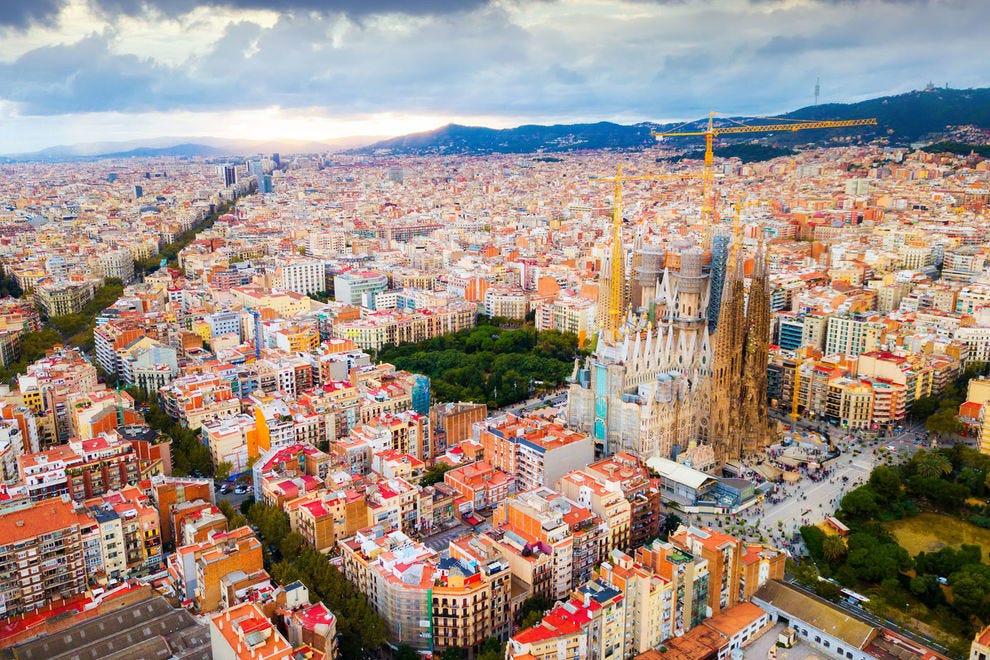
Barcelona travel safety tipsis a must know for first timers. This ideal vacation destination makes people curious since it has everything you could ever want in one location.
There are numerous activities to enjoy during your vacation, such as dining at the top restaurants, visiting museums and galleries, shopping in the famed Las Ramblas street market, or simply relaxing in the sun at La Boqueria food market.
City Facts
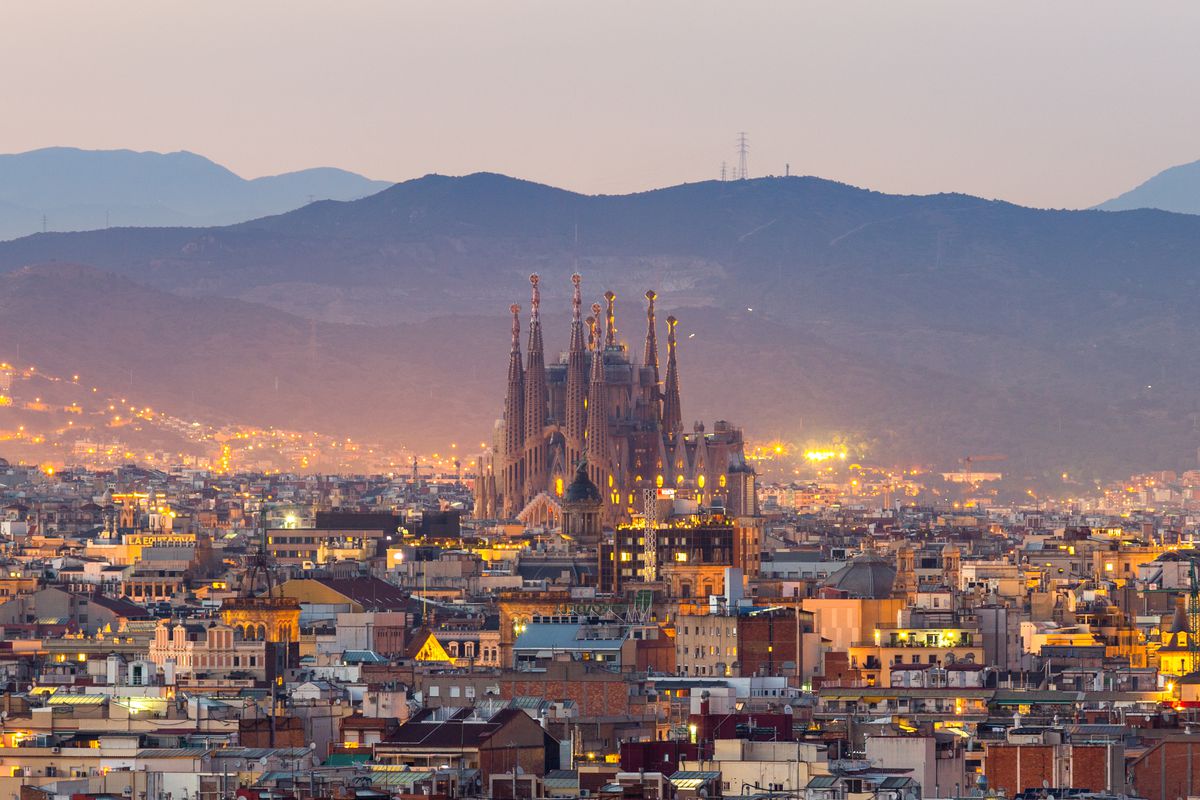
Barcelona has a rich cultural legacy and is now a significant cultural center as well as a popular tourist destination. The architectural masterpieces of Antoni Gaud and Llus Domènech I Montaner, both of which have been designated UNESCO World Heritage Sites, are particularly well-known.
Barcelona was founded as a Roman city and became the capital of the County of Barcelona in the Middle Ages. Barcelona, which continued to be the capital of the Principality of Catalonia.
It also became the most important city in the Crown of Aragon and the main economic and administrative centre of the Crown, only to be surpassed by Valencia, wrested from Arab domination by the Catalans, shortly before the dynastic union between the Crown of Castile and the Crown of Aragon in 1492.
Two of Spain's most prestigious universities are located in the city: the University of Barcelona and Pompeu Fabra University. The Union for the Mediterranean's headquarters are in Barcelona. The city is well-known for hosting the Summer Olympics in 1992, as well as world-class conferences and expositions, as well as other major sporting events.
Why You Should Go To Barcelona
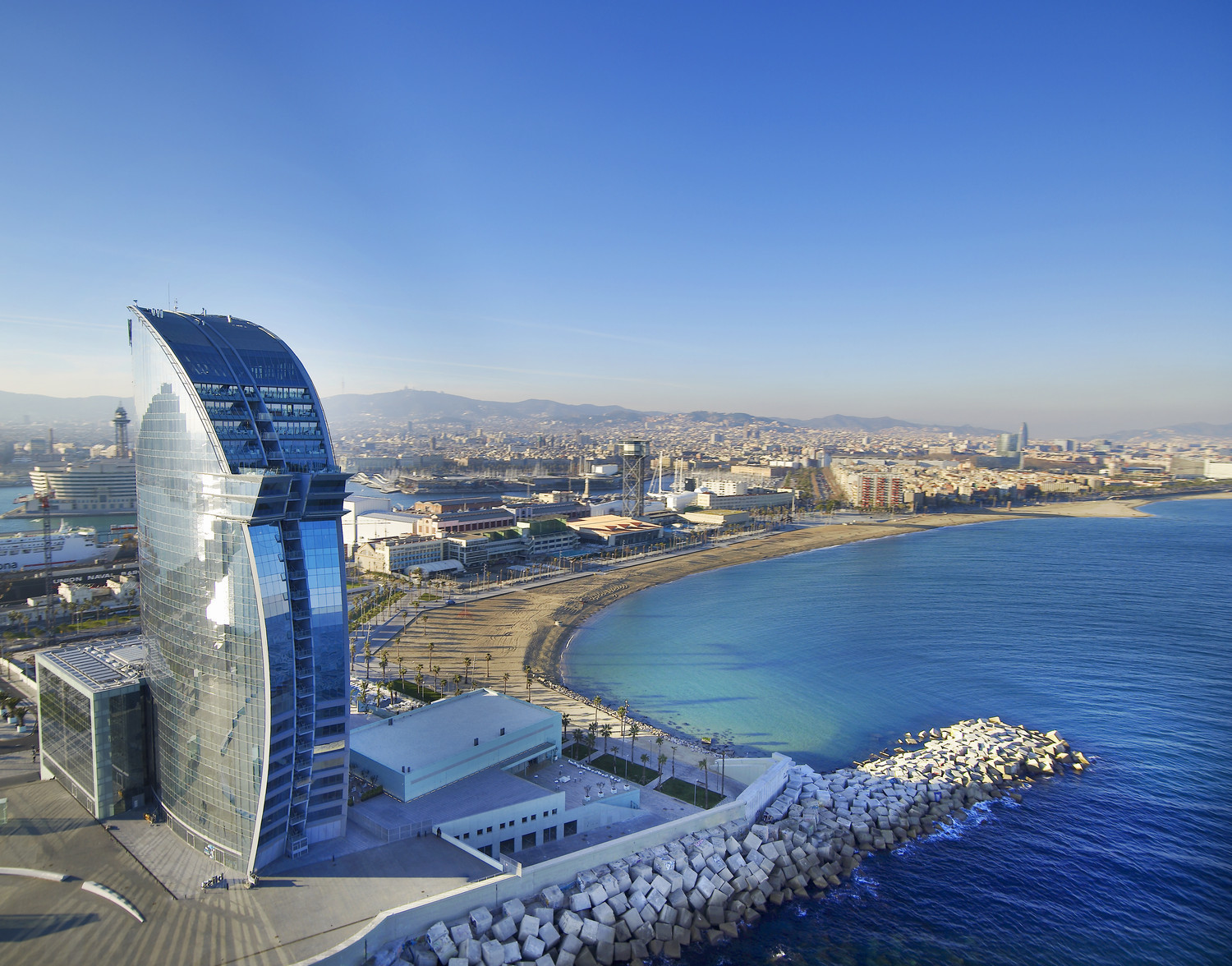
Barcelona has both authentically historic and strange attractions. From the scenic trails of colorful Park Güell to the romantic narrow alleys of Barri Gtic; from beachside nightclubs to the city's dozens of sacred churches and architectural marvels.
The city's seaside appears to attract all types as well: the adventurer, the couple, the partier, the culture lover – and more – with an almost overwhelming variety of things to do. You might stay for a few days, but you'll most likely need a week to really explore.
Even the beach is busy in Barcelona, but it's the cosmopolitan city that gets all the attention. Much of the action centers on Las Ramblas, a network of tiny streets and lanes lined with restaurants, nightclubs, and a bustling pedestrian market.
However, you should also visit Antoni Gaud's masterpieces, which include Casa Milà, Casa Batlló, and La Sagrada Familia. You could definitely check out the diverse shopping environment as well as the region's outstanding food and wine.
What Should I Avoid In Barcelona?
Don't be a target for pickpockets. Pickpocketing is a major problem in Barcelona, with an average of 600 instances per day reported in 2009. Pickpockets generally get off with a fine if they steal less than €400, which is commonly cited as a contributing factor.
However, the quantity of tourists that visit Barcelona with big sums of money and valuables on their person is also a contributing element.
Walking around with your camera or travelcash is fine as long as you exercise a little caution and don’t make yourself easy prey. Thus, the pickpocketing industry is only further bolstered, and the nasty activity of thieves is only further encouraged.
Must Visit
La Sagrada Familia
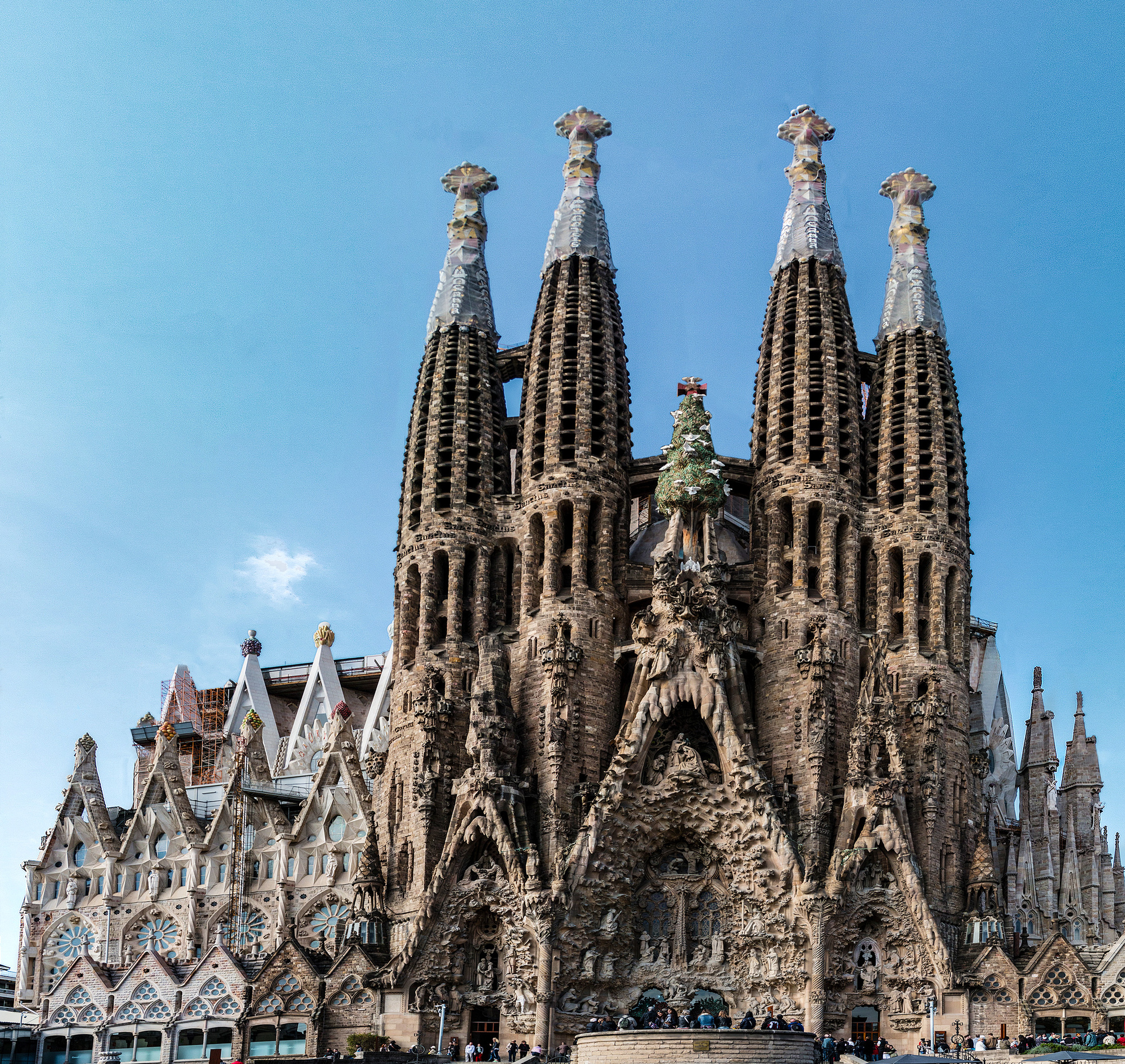
The Baslica I Temple Expiatori de la Sagrada Famlia, also known as the Sagrada Famlia, is a vast unfinished minor basilica in Barcelona's Eixample neighborhood, Catalonia, Spain, and is the world's biggest incomplete Roman Catholic church. The structure was designed by Catalan architect Antoni Gaud and is a UNESCO World Heritage Site.
Park Güell
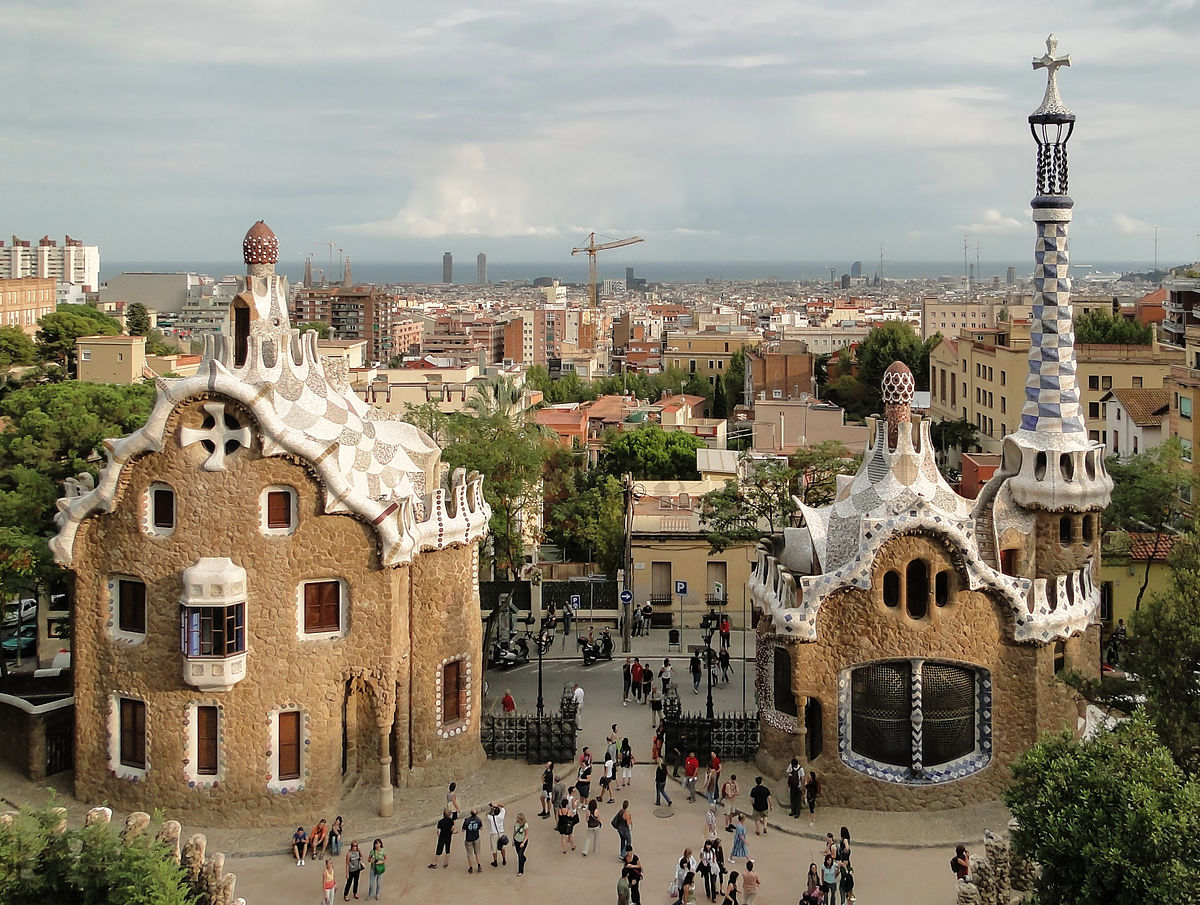
Parc Güell is a privatized park system atop Carmel Hill in Barcelona, Catalonia, Spain, consisting of gardens and architectural components. The Parc del Carmel is located on the northern flank of Carmel Hill, which is part of the Collserola mountain range.
Park Güell is located in La Salut, a suburb in Barcelona's Gràcia district. With urbanization in mind, Eusebi Güell commissioned Antoni Gaud, a renowned architect and the face of Catalan modernism, to build the park.
Mercado De La Boqueria
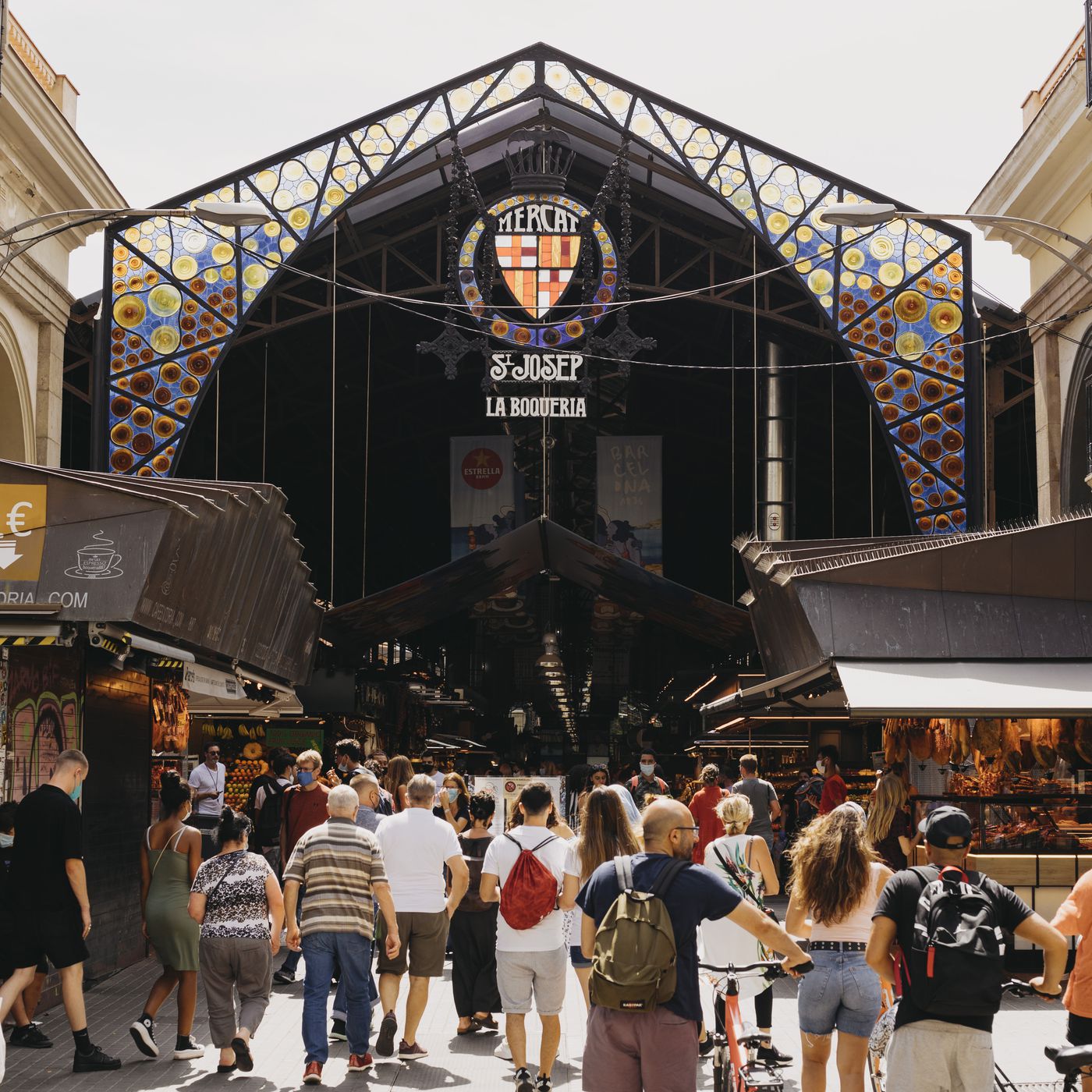
The Mercat de Sant Josep de la Boqueria, also known simply as La Boqueria, is a huge public market in Barcelona's Ciutat Vella neighborhood, Catalonia, Spain, and one of the city's most important tourist attractions, with an entrance from La Rambla, not far from the Liceu, Barcelona's opera theatre. The market offers a wide range of products.
People Also Ask
Is Barcelona In Spain Or Catalonia?
Barcelona is a city on the northeastern coast of Spain. It is the capital and largest city of the Catalan autonomous community, as well as Spain's second most populous municipality.
What Are Barcelona Famous For?
Barcelona is well-known for its world-class football club, breathtaking architecture, vibrant nightlife, sandy beaches, and world-class cuisine. Not to mention a thriving cultural history and bustling neighborhood festivals that draw visitors from all over the world.
How Safe Is Barcelona?
The Economist Intelligence Unit's (EIU) 'Safe Cities Index 2019' revealed that Barcelona was one of the safest cities in the world in terms of general crime, ranking 19th in personal security and 26th overall in the world.
Conclusion
Barcelona has an unlimited number of attractions to offer. Despite being one of Europe's most visited destinations, Barcelona is relatively unknown to most travelers. This is unfortunate because the city has so much to offer, from its great architecture and lovely beachesto its vibrant nightlife. The greatest way to learn about Barcelona is to go exploring.

Maya Reyes
Author
Maya Reyes’s wanderlust was sparked in the temples of Luang Prabang, where the scent of lemongrass and the chants of monks revealed the transformative power of travel.
Since then, her journey has been defined by cultural immersion and authentic connections. From learning batik in Indonesia to sharing meals with nomadic families in Mongolia, Maya seeks experiences that highlight the human stories behind each destination.
Travel for her is a way to weave her narrative into the world’s cultural tapestry, creating bridges across diverse ways of life. Maya has traveled to 15 countries and shares her insights through writing and storytelling.
Liam Jones
Reviewer
Liam Jones has made it his mission to prove that adventure doesn’t need a hefty budget. Having traveled to over 40 countries, he specializes in finding affordable ways to experience the world, from the best street food in Bangkok to hidden gems in Lisbon.
Liam’s travel tips have reached thousands of readers, empowering them to see the world on a shoestring budget without sacrificing quality. With a deep passion for local cultures, he continues to share his travel hacks, ensuring adventure remains accessible to all.
Latest Articles
Popular Articles