England Pictures - Organize Your Trips By Storing Your Favorite Destinations And Attractions
If you wish to tour old metropolitan centers, marvel at intriguing monoliths, wander through stunning landscapes, and take in the coasts and national parks of England, then have a look at these England Pictures and highlights of a vacation to this beautiful country and its different regions.
Author:Maya ReyesReviewer:Finn WildeApr 08, 2022377 Shares377.3K Views

The past is a permanent presence in England, which has a history that dates back more than 5000 years (and perhaps much more). If you wish to tour old metropolitan centers, marvel at intriguing monoliths, wander through stunning landscapes, and take in the coasts and national parks of England, then have a look at these England Picturesand highlights of a vacation to this beautiful country and its different regions.
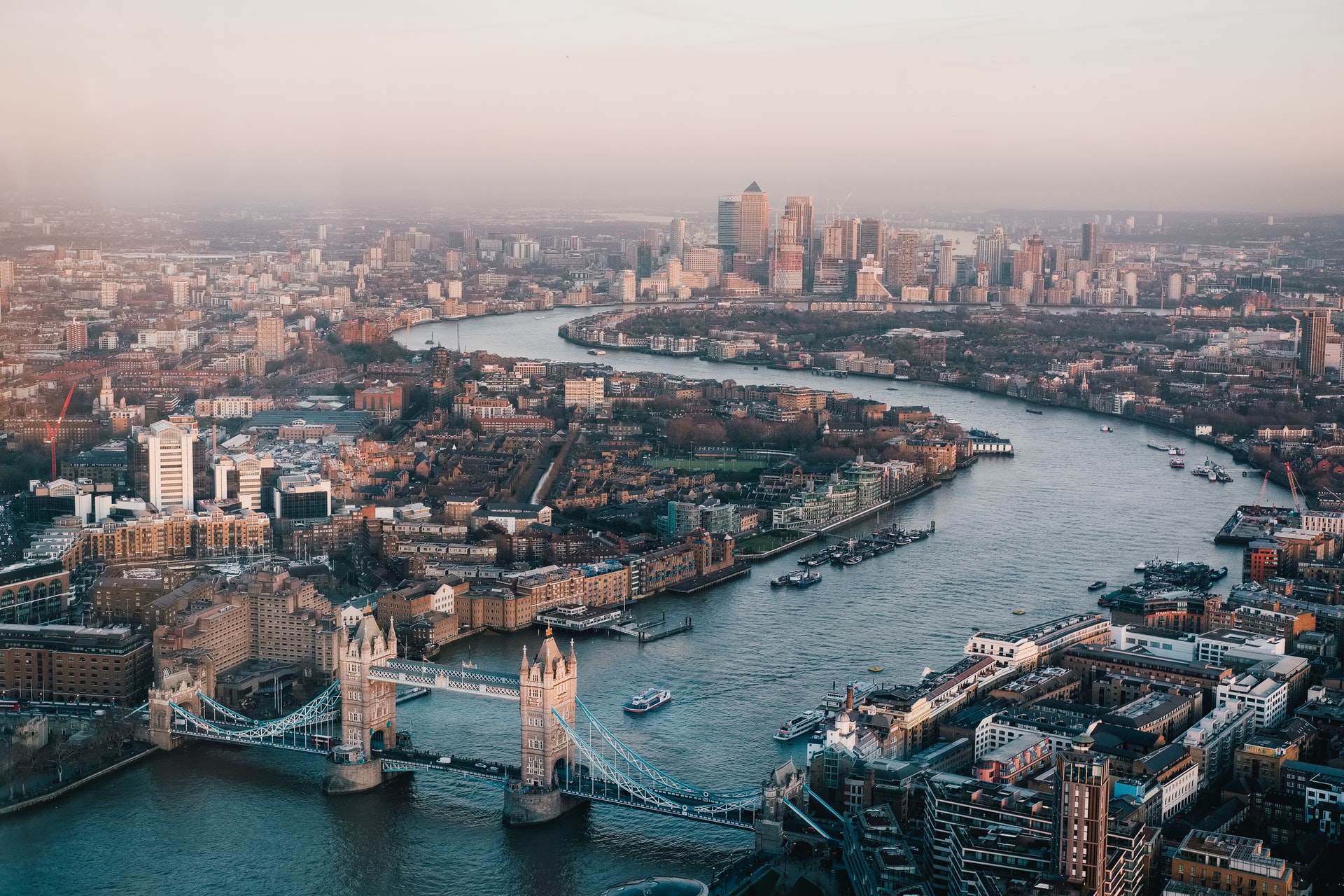
South East
Two high-quality metropolitan attractions may be found in the southeast, which is an easy day trip providing you don't get stuck in traffic. The first is medieval Canterbury, with its 1,000-year-old walls, enormous cathedral, and other historic structures all crammed into a very small central area.
The second attraction is bustling Brighton, London's favorite seaside town, with its tacky but attractive pier, picturesque but rocky beach, strange Royal Pavilion, and buzzing nightlife.
South
This region is an excellent starting place for out-of-London journeys since the roads are reasonably uncrowded and picturesque, especially if you sometimes take 'A' roads (for example, the A3) rather than highways; there are plenty of sites.
Stonehenge in Wiltshire, with its Neolithic standing stones (untouchable) and Avebury's smaller (but touchable) stones, and the medieval cathedral cities of Salisbury or Winchester, are all within an hour or two of London.
The Dorset hills are dotted with iron-age forts, including Bradbury Rings and Maiden Castle, chalk White Horses, and the mischievous but charming Cerne Giant. Maybe even alien crop circles.
Bournemouth, a beautiful south coast beach town with excellent beachesand a cool sea, is about an hour's drive from Salisbury.
There is a short and pleasant ferry ride across the mouth of Poole Harbor at Sandbanks, which connects to the Purbeck Hills and Corfe Castle, a beautiful rural coastal location. Poole Harbor is the world's second-largest natural harbor after Sydney's.
Dorset's beachesare among the greatest in the country, with a climate that is superior to that of almost everywhere else in the country.
South-West And West
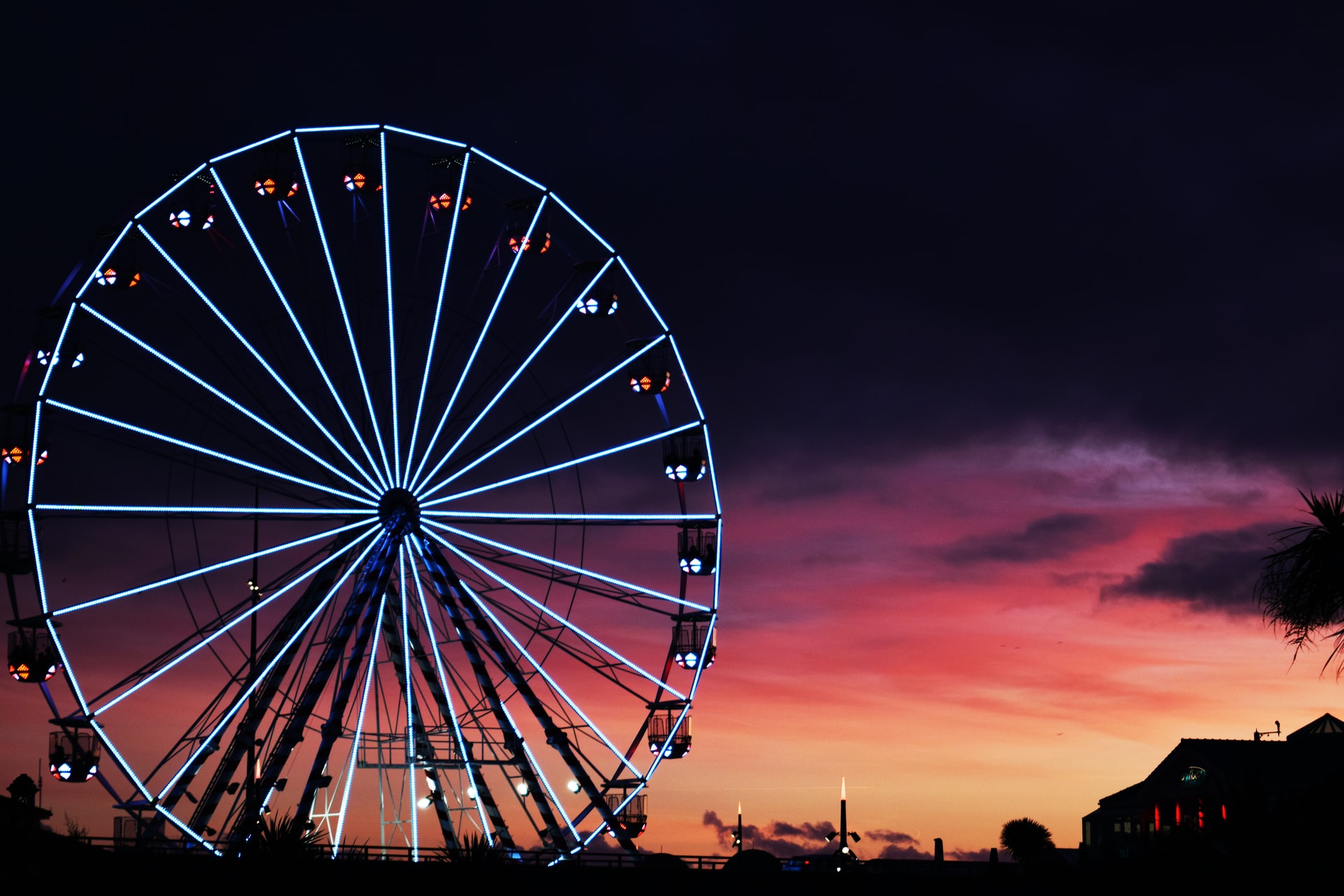
This area has a pleasant climate and a lot of great beaches. You can also visit Dartmoor in Devon for short or long hikes, or the Eden Project in Cornwall to see the huge biomes that house a beautiful selection of tropical plants, trees, waterfalls, and stories.
Little traditional fishing communities in Cornwall, such as St Ives, are ideal for people seeking an antique vibe, while Newquay is ideal for surfers and clubbers. Land's End? No, the vacation was spoiled, unsatisfactory, and not worth it.
Glastonbury in Somerset attracts spiritualists seeking Avalon, King Arthur, the Holy Grail, and ley lines that intersect at the Tor mound, as well as rocking neo-hippies who have managed to get summer festival tickets.
The warm mineral waters that the Romans enjoyed 1,000 years ago are still flowing in this elegant, ancient sandstone bath. You are welcome to bathe there as well.
South West Coast Path
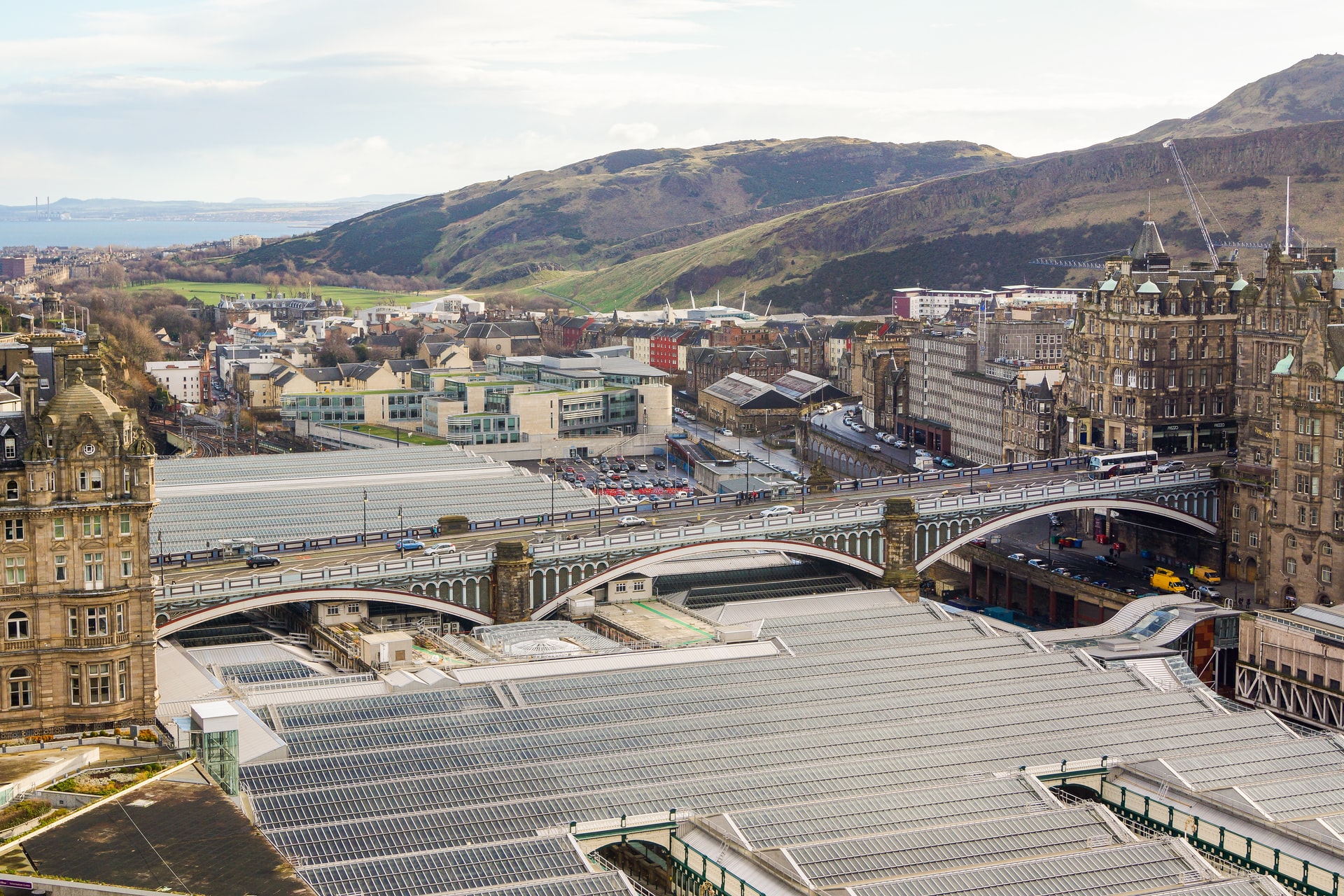
This wonderful 630-mile (1014-kilometer) walk runs from Poole Harbor, Dorset, to Minehead, Somerset, passing through the fossil-rich "Jurassic Coast," via cliffs, beaches, and valleys, past fishing communities, and resorts.
The Southwest Coastal Path in Dorset begins at the ferry, Studland village, or Swanage town.
Central England
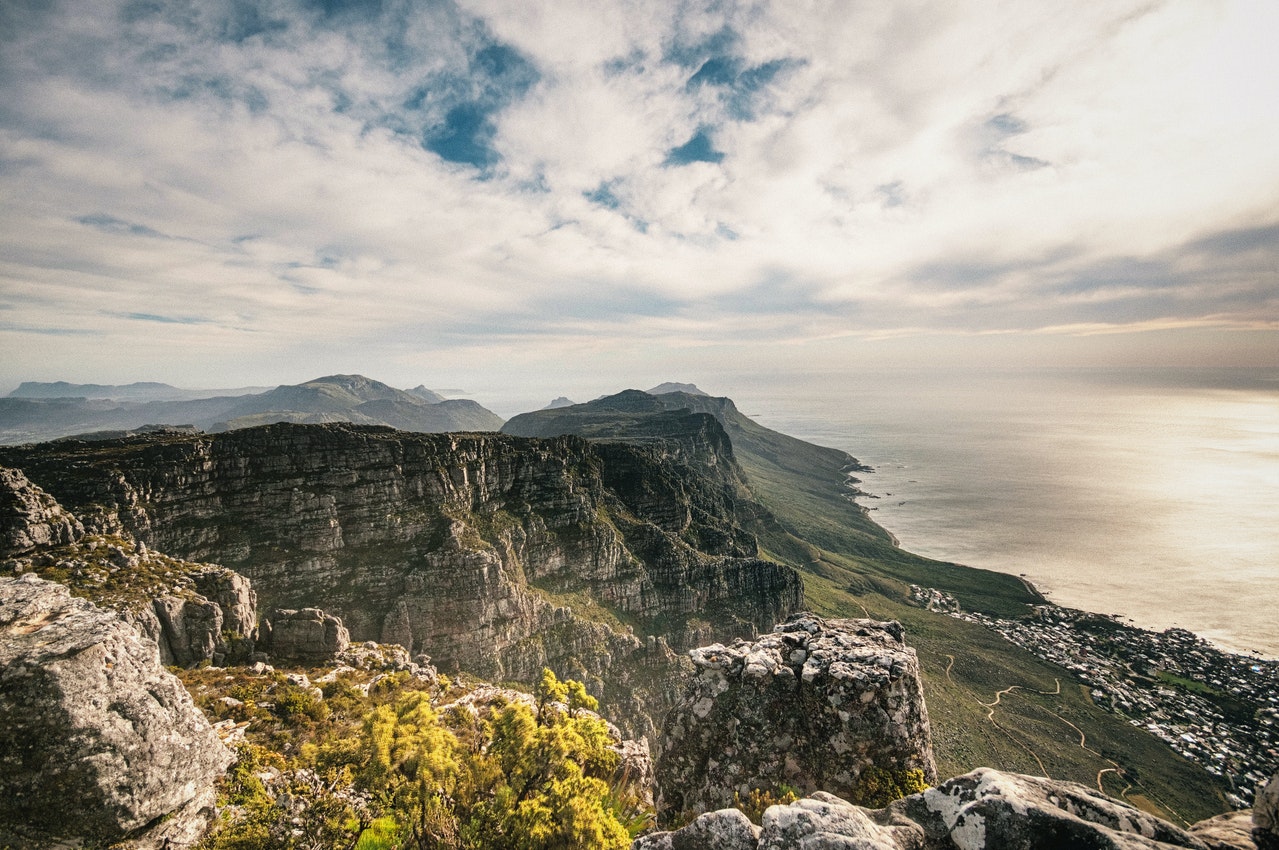
The central region, like the south, is a very short journey from London and has some of England's most charming traditional thatched or slate-roofed villages in the Cotswolds, Willy Shakespeare's Stratford-upon-Avon, the two famous university cities of Oxford and Cambridge, and ancient Chester.
Renovated The watery flatlands of the NorfolkBroads over in the far east are a popular boating area and host a couple of good beaches, though it's hardly a top-class tourist attraction. Manchester is a large and ebullient city, while Birmingham is large but the polar opposite of ebullient. Liverpool lives for the diminishing supply of Beatles fans, and the watery flatlands of the Norfolk Broads over in the far east are a popular boating area and host a couple of good beaches.
North
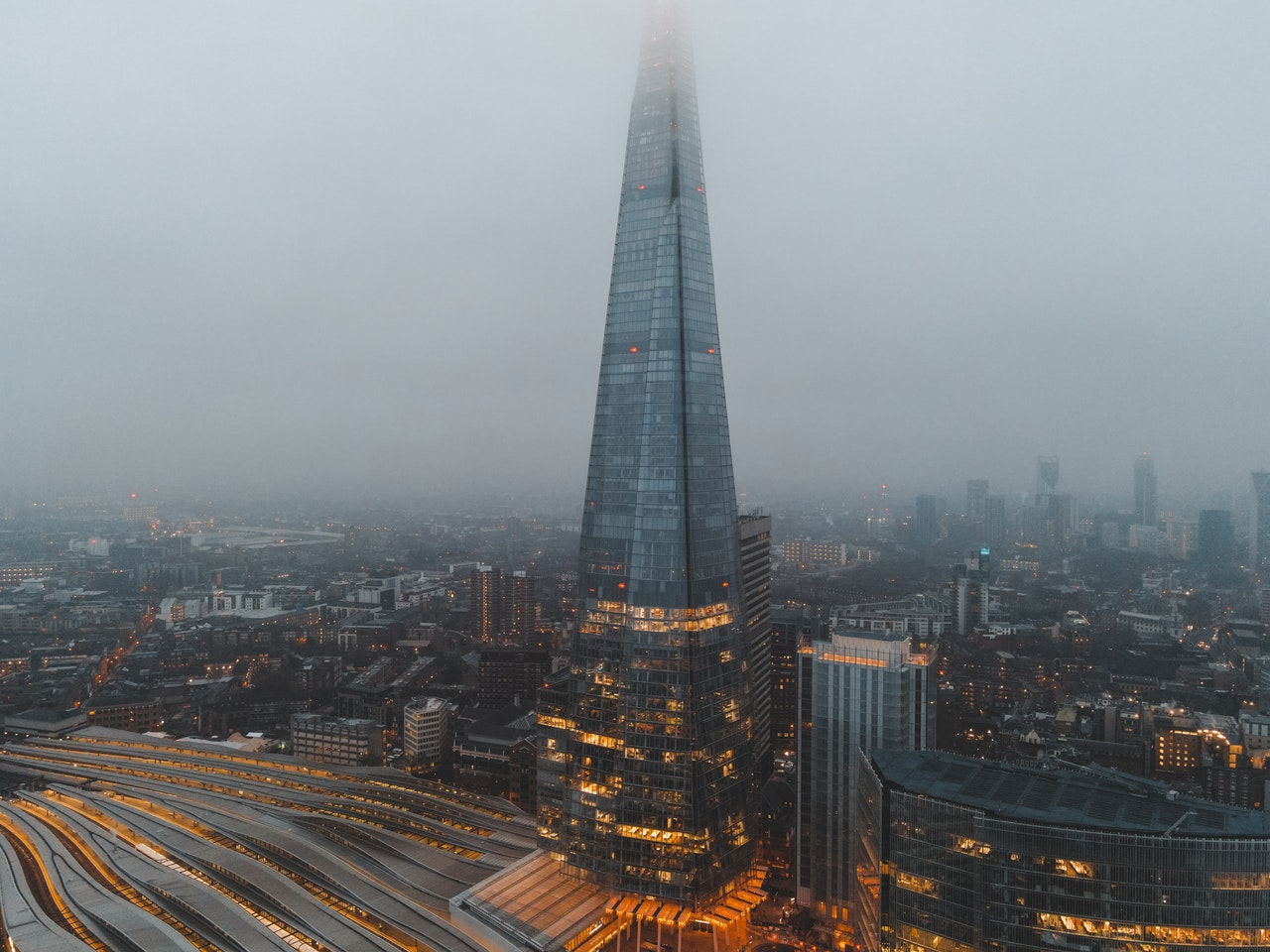
Newcastle (upon-Tyne) is a lively modern city with a lot of great art and architecture, as well as a lot of great old tourist cities like York and Durham. The north is home to a more friendly species of native than the smelly south, even though they have accents that are thicker than their dry-stone walls. Although the Yorkshire Dales, Moors, and Lake District are probably more picturesque and accessible, the Peak District is England's core mountain range.
Hadrian's Wall, a wonderful and accessible ancient defensive barrier against the marauding Scots, is a must-see if on the way to see those same Scots, albeit a little less rampant these days, weaving along the Scottish border.
Britain's most famous road, the M1, which runs from London to the north, is inexorably boring and always congested, so plan your journey around a rush hour to save time (8-10 am, 4-6 pm, and especially Friday afternoons).
England's Best Seasons
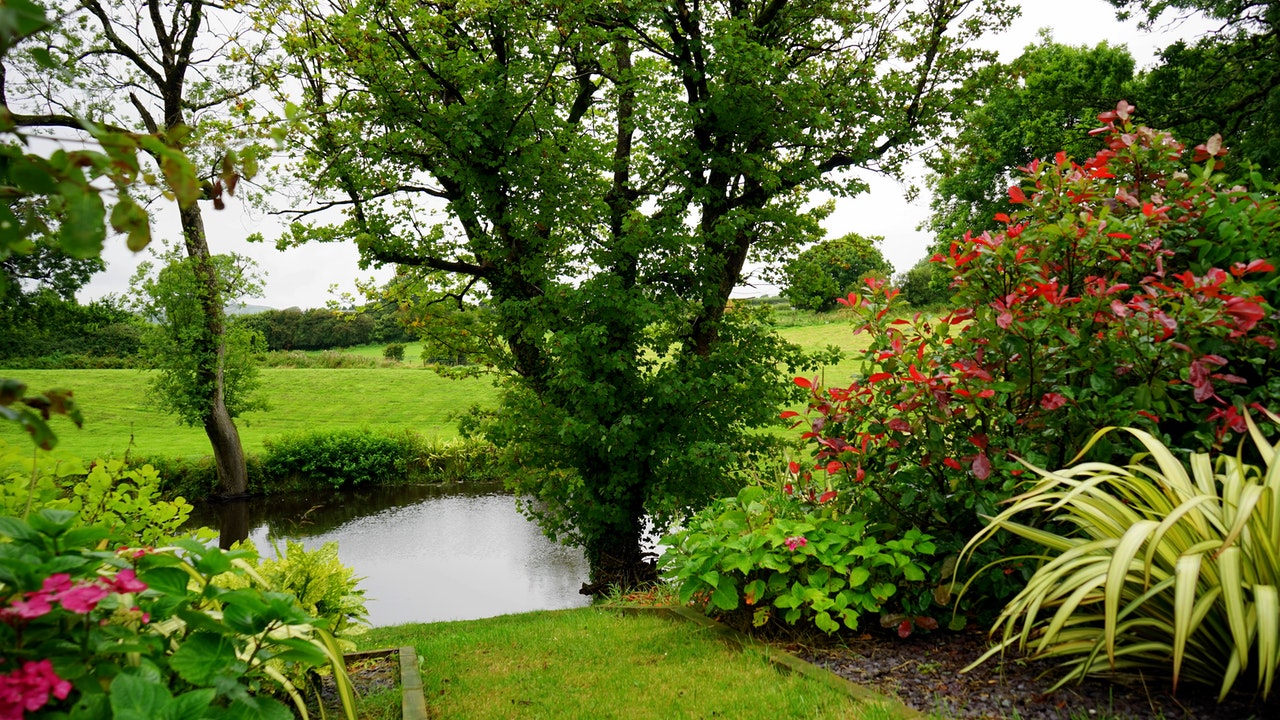
The best months to visit England (and the rest of the United Kingdom) are probably May, June, July, and September (although August may become hot and busy), but keep in mind that the weather in England is famously fickle, so be prepared for everything. Winter is often damp and dreary.
Transport
Because England is such a tiny nation with so many sites, renting a car is the most convenient way to get around. Coaches (long-distance buses) are the best value from point A to point B, but, of course, do not visit "sights" unless they are tour buses.
rains are pleasant if they run on time, but expensive and will require taxis to reach prime sights, whereas coaches (long-distance buses) are the best value from point A to point B, but do not visit "sights" unless they are tour buses. So, if you can afford it and are willing to drive on the left, opt for your wheels for rural sightseeing. If not, or if time is limited, a guided tour is recommended.
Great Britain Vs The United Kingdom
For those unfamiliar with the political framework of the United Kingdom, England is simply one portion of the United Kingdom, which also includes Scotland and Wales. When Northern Ireland is added to the mix, the four nations become the United Kingdom (UK).
Although London, in the south-east of the country, is England's capital city, as well as the UK's traditional financial, artistic, political, intellectual, and architectural core, young entrepreneurs, artists, and other future movers and shakers, are creating their scenes in Bristol, Manchester, Newcastle, Edinburgh, Glasgow, and Cardiff, as London rental prices have reached ridiculous levels.
Most visitors to England will spend several days in London (dubbed "The Smoke" by locals) before moving on to other attractions. These pages aren't meant to be a full travelguide. Instead, they're meant to help people make quick and easy vacation decisions.
Conclusion
England is one of the United Kingdom's constituent countries. It is bordered on the west by Wales and the north by Scotland. The Celtic Sea is to the southwest of England, while the Irish Sea is to the northwest. The North Sea to the east and the English Channel to the south divide England from continental Europe.
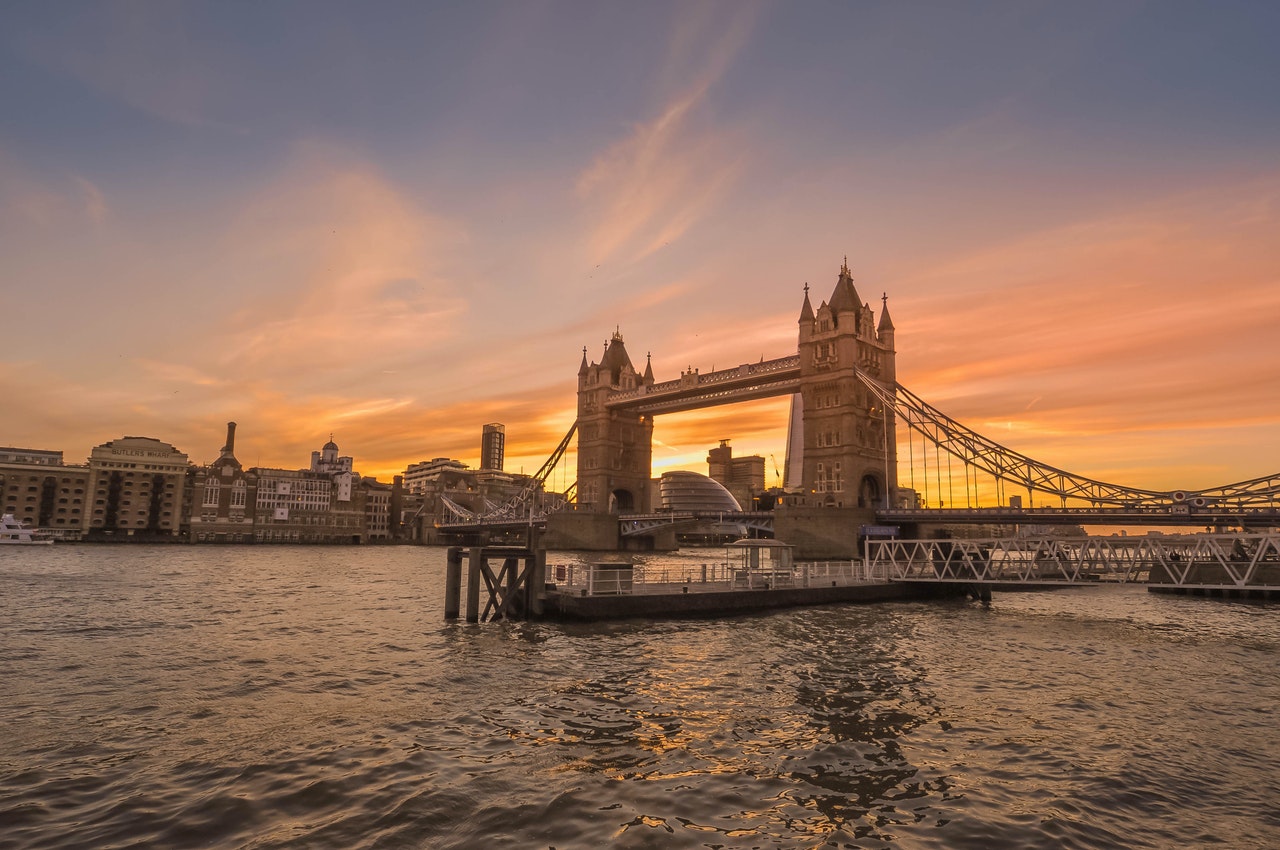
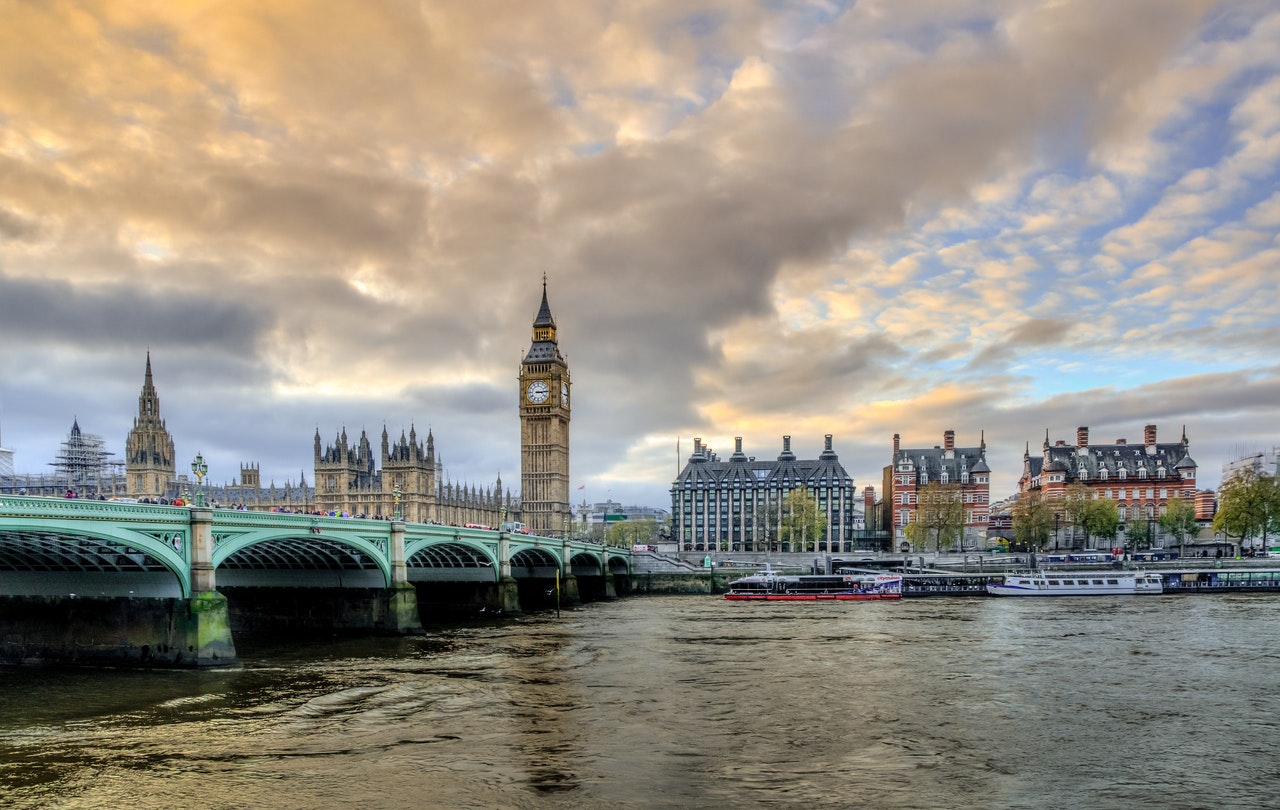
A vacation to England should include a stop in London if you want to see some of the most famous monuments in the world, such as Big Ben or the London Eye. However, since London is one of the most expensive cities in the world, it may not be suitable for those on a tight budget.

Maya Reyes
Author
Maya Reyes’s wanderlust was sparked in the temples of Luang Prabang, where the scent of lemongrass and the chants of monks revealed the transformative power of travel.
Since then, her journey has been defined by cultural immersion and authentic connections. From learning batik in Indonesia to sharing meals with nomadic families in Mongolia, Maya seeks experiences that highlight the human stories behind each destination.
Travel for her is a way to weave her narrative into the world’s cultural tapestry, creating bridges across diverse ways of life. Maya has traveled to 15 countries and shares her insights through writing and storytelling.

Finn Wilde
Reviewer
For Finn Wilde, the wilderness is more than just a destination - it’s a way of life. Over the past decade, he has led multiple expeditions in some of the world’s most remote regions, from the icy fjords of Greenland to the rugged trails of Patagonia.
Finn emphasizes sustainability in all of his adventures, helping participants connect with nature while promoting responsible exploration. His expeditions inspire individuals to explore the great outdoors while fostering a deep respect for the environment.
Latest Articles
Popular Articles